
Search American Fork Police Blotter
American Fork Police Blotter searches work best when you start with the police records office because that is where the city keeps incident reports, accident reports, and the basic contact trail for a request. If you know the report date, address, or case number, the search stays tighter and easier to route. American Fork also serves Cedar Hills through the same department, so it helps to identify where the event happened before you ask for a file. If the record later moved into booking or court, Utah County becomes the next stop. The city is still the clean first step.
American Fork Police Blotter Basics
The official American Fork police page says the department serves about 46,000 people across American Fork and Cedar Hills, with 54 sworn officers and 10 civilian employees. That matters for an American Fork Police Blotter search because it tells you the agency is covering more than one city footprint. If you are trying to identify a report, the location has to be precise. A request that only says "American Fork area" can be harder to sort than one that names the street, the date, and the city where the contact happened.
The same police page lists the department at 75 E 80 N, American Fork, Utah 84003. It gives 801-763-3020 as the non-emergency line and says the public can also use that route for questions about police service. That is useful when the first thing you need is not the file itself but confirmation that the department handled the call. A lot of police blotter searches start there. People know something happened, but they still need to connect the event to the right local office before a written request makes sense.
The records side is separate enough to matter. The city's Records Management page says the Police Records Office can be reached at 801-763-3020 and keeps office hours Monday through Thursday from 8:00 a.m. to 5:00 p.m. Closed holidays. That means American Fork gives you a clear records desk instead of forcing every question through patrol or dispatch. For routine police blotter work, that usually saves time because the request lands with the part of the department that actually handles report copies.
The American Fork Police Department page is the best local starting point because it ties the police office, the service area, and the records path together.
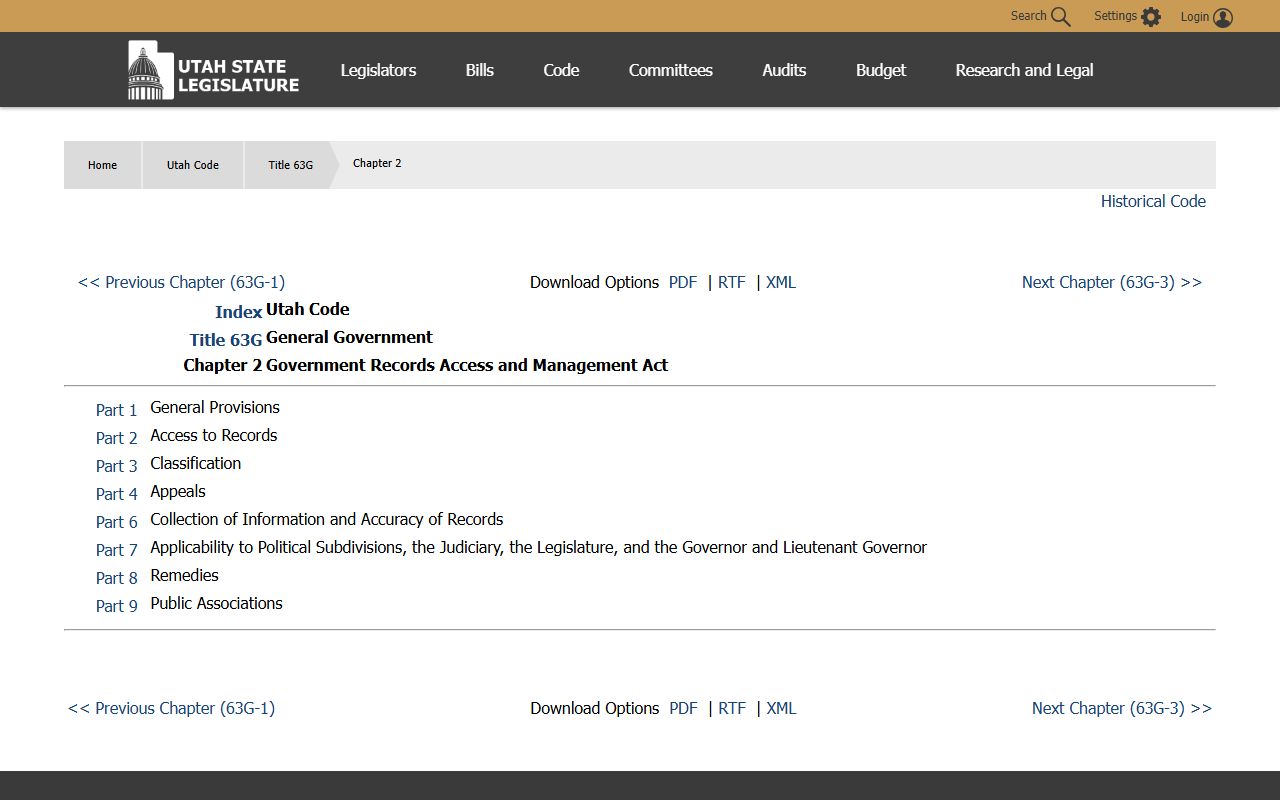
That state law image fits because every American Fork Police Blotter request still runs through Utah's public records rules even when the search begins with a city desk.
American Fork Police Blotter Requests
American Fork's Records Management page is unusually practical. It tells you the records office handles accident or incident reports, media files, fingerprint services, and common records questions. That matters because an American Fork Police Blotter request is easier to frame when you know the office already separates those record types. If you only need the written report, ask for the written report. If you need video or audio, name that separately. A broad request creates more review work and makes the city do more sorting than necessary.
The page also shows how local distinctions can affect a request. American Fork and Cedar Hills residents are listed under one report fee category, while non-residents are listed under another. Even without turning that into the focus of the page, it tells you the city is paying attention to who is asking and what record is being requested. That is one reason a specific request works better. When staff can match the request to the right event and the right requester category, the response usually moves more smoothly.
The American Fork page also links to records FAQs, including questions about traffic accident reports and arrest reports. Those FAQs matter because they show the city expects the public to request these records on a regular basis. This is not a hidden process. It is a normal records function inside the police department. For a police blotter search, that means you should treat the request as a records-office task, not as an informal call for a status update. Written details and a narrow description still matter most.
The American Fork Records Management page is the strongest city source because it centers the records office and the kinds of police files it handles.
American Fork Police Blotter and Utah County
American Fork is in Utah County, so the city report is not always the end of the search. If the incident turned into custody, the Utah County inmate search becomes the next stop. The county says booking information appears 24 hours after booking, which is important because the city report and the county roster do not update on the same schedule. A name may be tied to an American Fork incident before the booking details appear in the county system. That does not mean the arrest did not happen. It usually means the county timeline is still catching up.
Once the county roster updates, it can show the arrest date and time, arresting agency, booking number, release date, status, and the listed charges. That makes the inmate search the best follow-up when an American Fork Police Blotter entry has moved beyond the street-level report. The city file explains the local contact. The county file explains what happened after custody began. Those are related records, but they are not the same record, and each office only controls its own part.
If the search is really about a warrant or a later filing, the Utah County warrant search and Utah courts records system are better follow-ups than another call to the city. That is the practical sequence for American Fork police blotter work. Start with the local report. Move to the county if booking happened. Move to the court when the case becomes a filed matter instead of a fresh incident.
The Utah County inmate search is the clearest county follow-up when an American Fork police record has turned into booking or jail processing.
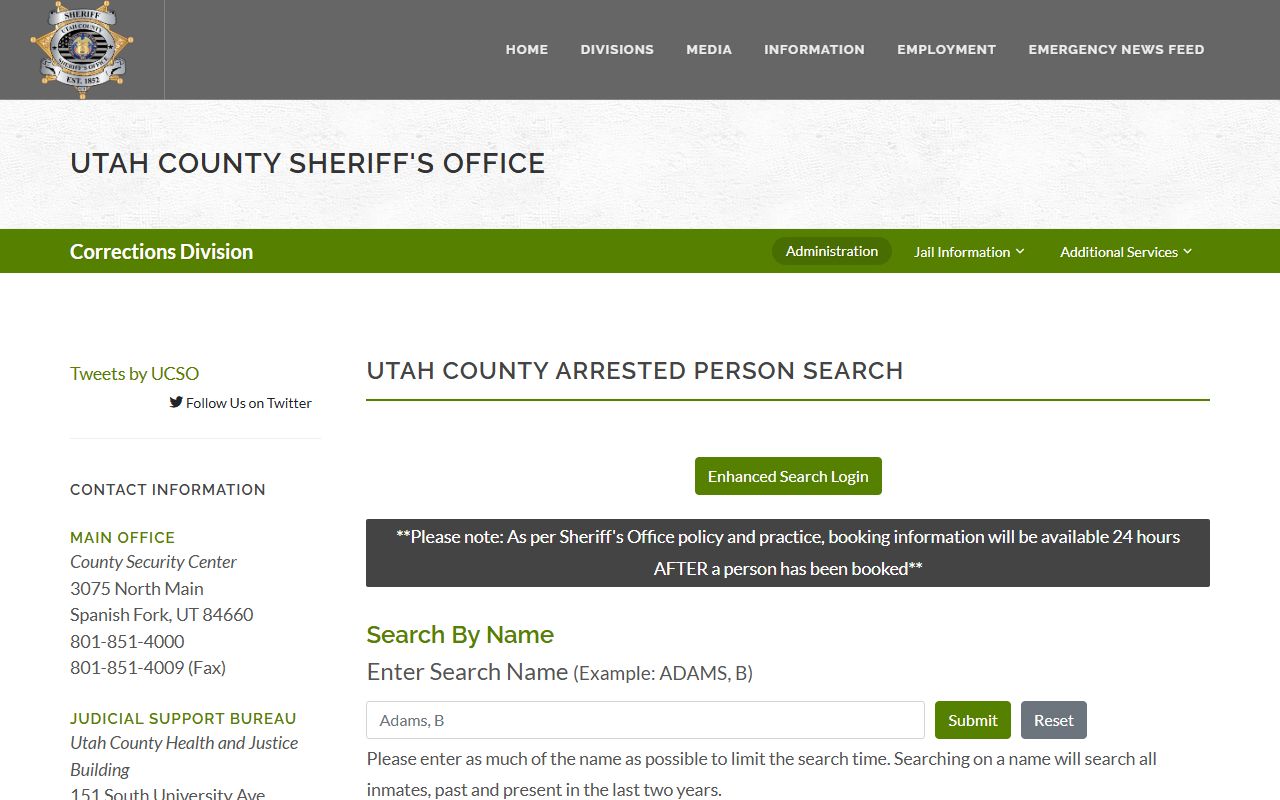
That county view matters because many American Fork Police Blotter searches only make sense after the city report is paired with the later Utah County custody record.
American Fork Police Blotter and GRAMA
Utah's Government Records Access and Management Act controls how American Fork reviews, releases, and redacts police records. The law starts with a presumption of public access, but it also lets agencies protect records that are private, controlled, or otherwise shielded by statute. That is why an American Fork Police Blotter request can produce a full report in one case and a partial report in another. The difference is usually about the record classification, not whether the city keeps the file.
The statute also explains why a request should identify the record with reasonable specificity. That phrase is not filler. It is the practical standard the office uses to tell one report from another. If you have the case number, use it. If you do not, use the date, address, and type of event. That helps American Fork locate the right file without forcing the records office to guess at which incident you mean. Specific requests are easier to classify, easier to redact, and easier to answer.
If a local response does not settle the issue, state resources help explain the next step. The Utah Department of Public Safety public records portal shows how Utah agencies structure request handling, and the Utah State Records Committee is the appeal route when access disputes remain open. Those statewide tools do not replace the city records office. They help explain the broader rules that shape every American Fork Police Blotter release.
The Utah GRAMA statutes are the legal backdrop for why a city police record can be released, redacted, delayed, or denied depending on what is in the file.
American Fork Police Blotter Resources
The best American Fork Police Blotter search uses the city records page first, then expands only if the record itself moved somewhere else. For a recent incident, the city police and records pages are enough to identify the local request path. For a booking trail, Utah County becomes the right source. For a filed case, the Utah courts system gives the next layer. That order matters because it keeps the request aligned with the office that actually holds the record.
Older or broader searches may also need state support. The Utah State Archives criminal records guide is useful when the search reaches older records that no longer sit in a routine city workflow. The Utah Department of Public Safety public records portal is the better statewide fallback when the issue is how a Utah agency handles a formal records request. Those two sources do different jobs, but both help when the local American Fork search stops being only about one recent city report.
The Utah County Sheriff's Office is also useful when the event you are tracking moved past the first American Fork contact and into active county enforcement work.
That county image fits because some American Fork Police Blotter searches turn on what happened after the first report rather than the first report alone.
The practical approach is simple. Start local. Move county when custody or warrants appear. Use state tools only when the record trail gets older, broader, or harder to resolve at the city level.
Utah County and City Links
American Fork is in Utah County, so the county page is the next step when the police blotter search turns into booking, warrant, or court research. Nearby city pages help when the report crossed city lines or when another Utah County department handled the first response.
Nearby Utah Cities
Nearby city pages help when the event began just outside American Fork or when one police blotter search needs to be compared with another Utah County records path.