
Search Utah Police Blotter
Utah police blotter records are spread across sheriff offices, city police departments, jail rosters, court systems, and state record portals. This Utah police blotter guide brings those routes together so you can start a search with the right office, know what details may appear in a blotter entry, and understand when a formal records request is still required. Many Utah agencies post booking, custody, or case information online. Others provide records only through a written GRAMA request, a clerk counter visit, or a county records desk.
Utah Police Blotter Quick Facts
Utah Police Blotter Sources
A Utah police blotter search rarely starts in one place. County jails often post booking details, sheriff offices manage arrest and incident files, and city departments keep reports for calls handled inside their boundaries. The Utah court system then holds case activity that follows an arrest. That means the best Utah police blotter search depends on what you already know. If you have only a name and a recent date, start with the local jail or sheriff roster. If you need a filed charge, court hearing, or disposition, move to the court side of the record trail.
Utah also splits public access by record type. A jail roster may show a booking number, charges, and housing status. A police report request may need a case number, date, and proof of identity. A statewide criminal history request goes through the Utah Bureau of Criminal Identification rather than a county patrol office. Under Utah Code Title 63G Chapter 2, the presumption is that public records are open unless a statute or classification makes part of the record private, controlled, or protected. That is why some Utah police blotter records are visible right away and others are released only after review and redaction.
Utah Police Blotter Search Options
The broadest statewide starting point is the Utah Bureau of Criminal Identification, which explains how Utah criminal history files are requested and what limits apply to access. BCI keeps the state's central repository for criminal history information and also points users to related public safety tools. That resource is useful when a local Utah police blotter search turns into a need for official criminal history access or a statewide records route.
This screenshot from Utah BCI criminal records shows the statewide entry point for criminal history requests and identity requirements.
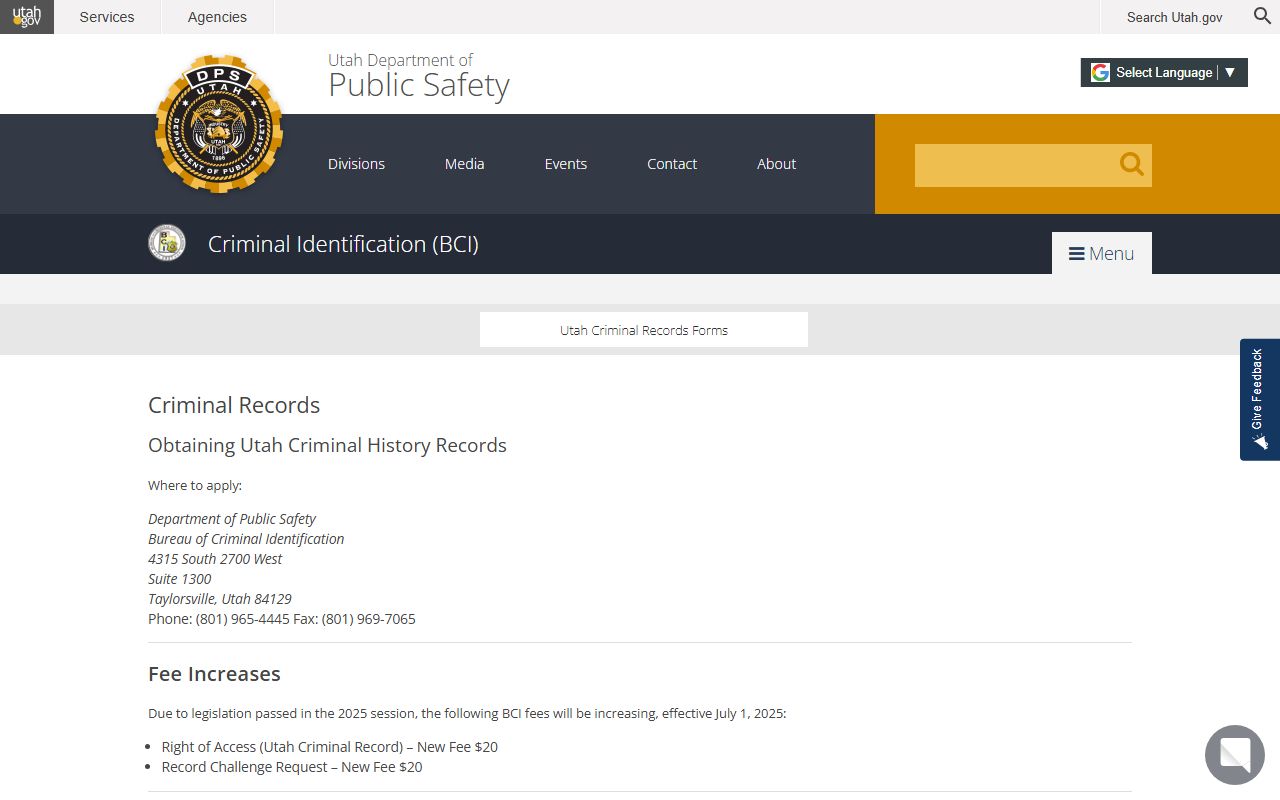
The BCI page is not the same thing as a local blotter, but it helps explain when Utah records move beyond a county booking log and into statewide criminal history control.
The Utah Department of Public Safety is another strong statewide path. DPS oversees multiple public safety divisions and accepts public records requests for records generated by state agencies, including state trooper material. If an incident involved the Utah Highway Patrol or another DPS division, that agency route may be better than a county search. Utah research also points to the Utah State Courts records system, which is the next stop once a police blotter event becomes a filed court case.
This image from the Utah Department of Public Safety highlights the agency portal used for public safety information and records pathways.
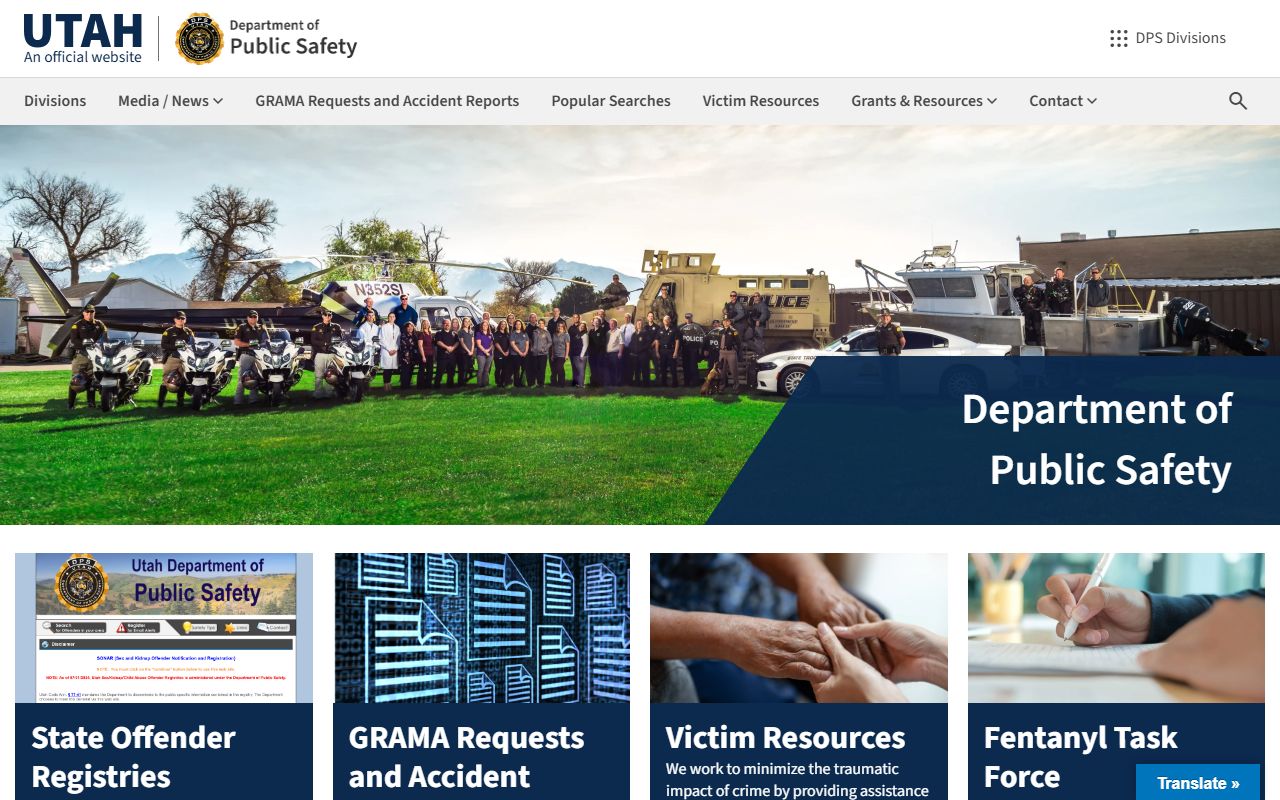
For Utah incidents handled by state officers, DPS may have the most direct records path even when a local jail roster also shows the booking.
What Utah Police Blotter Records Show
A Utah police blotter entry usually summarizes the early public side of an event. That may include the person's name, booking date, arresting agency, charges at booking, booking number, custody status, and housing location. Jail rosters can also show bond details or release data when release information is authorized for public display. A court case file adds more. That next layer may include case numbers, prosecutors, hearings, pleas, and judgments. Those are not always present on the first Utah police blotter screen you find.
Utah law also places limits on what an agency must release without review. Research for Utah cites Utah Code § 63G-2-301(3)(g) for the public status of chronological logs and initial contact reports, while Utah Code § 63G-2-305 supports withholding records that could interfere with investigations, expose confidential sources, or create specific privacy problems. Juvenile matters are treated differently. So are some victim details, medical information, and sealed filings. In practice, that means a Utah police blotter record may be public even when the full report is not yet available for release.
This image from the Utah GRAMA statutes page points to the rules agencies use when deciding what a requester can inspect or copy.
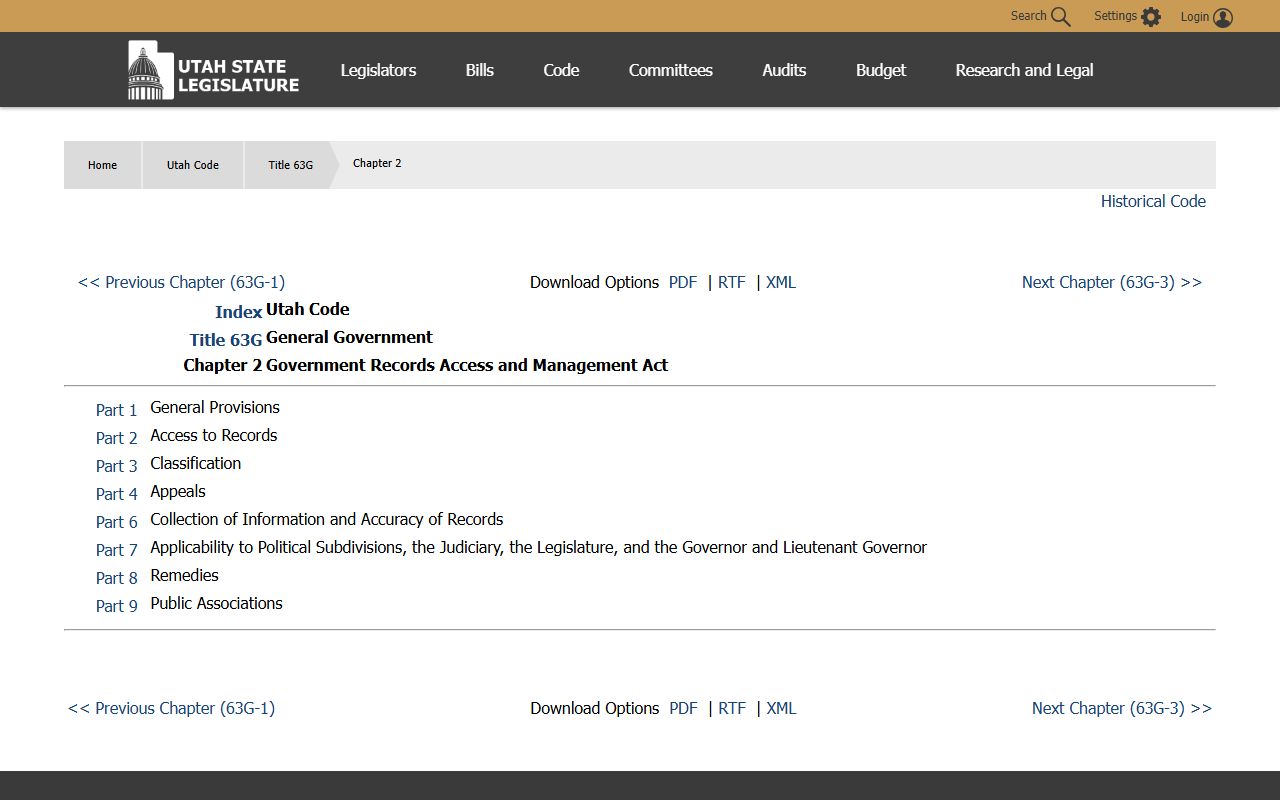
The statute page matters because most Utah police blotter disputes are really disputes about classification, timing, and redaction under GRAMA.
Utah Police Blotter Request Timing
When an online roster or blotter page is not enough, Utah agencies usually direct the public to a written GRAMA request. The research shows that Utah Code § 63G-2-204 requires a response as soon as reasonably possible, but no later than ten business days after the written request is received. If the requester asks for expedited treatment and qualifies, the response period can shrink to five business days. That does not mean the record will always be produced in full. It means the agency must answer, grant, deny, or explain extraordinary circumstances.
Utah police blotter requests also vary by office. A sheriff records unit may ask for a case date, report number, and government identification. A city police department may require a signed form. A jail page may already provide enough public booking data that no request is needed. If the record is denied, research points to the Utah State Records Committee as one appeal path, alongside court review. That matters when a Utah police blotter search runs into a withheld report, an overbroad redaction, or a refusal based on protected-record claims.
Note: Utah agencies may charge reasonable fees for search, retrieval, copying, and redaction work, but online blotter and roster access is often free.
Utah Police Blotter and Courts
A Utah police blotter record is only the start of the paper trail. Once charges are filed, the court side becomes important. Research for Utah points to the Utah State Courts records system and the Xchange case search framework. Court records can show hearing dates, dispositions, judgments, and sentencing activity that a jail roster will never display. If you already know the county, city, or booking number, use the local page on this site to narrow the best court and law enforcement route together.
In Utah, this split is practical. The arresting agency may be a city department, the booking facility may be the county jail, and the charging decision may appear in a district or justice court file. A strong Utah police blotter search therefore moves from agency to agency instead of assuming one office keeps the complete record. When you need old material, that path can move again, because historical court and police records may have been transferred to the archives rather than held at the original office.
Historical Utah Police Blotter Records
Utah has better historical police blotter research value than many states because the Utah State Archives criminal records guide points to specific archival series. The research identifies official arrest records, temporary police blotter registers, drunk-in-public arrest records, and territorial-era criminal files. For someone tracking an older Utah police blotter entry, the archives may be more useful than any active sheriff site. These collections are especially relevant when the event is too old for current online jail systems or local website search tools.
This screenshot from the Utah State Archives criminal records guide shows the archive path for older arrest and police blotter material.
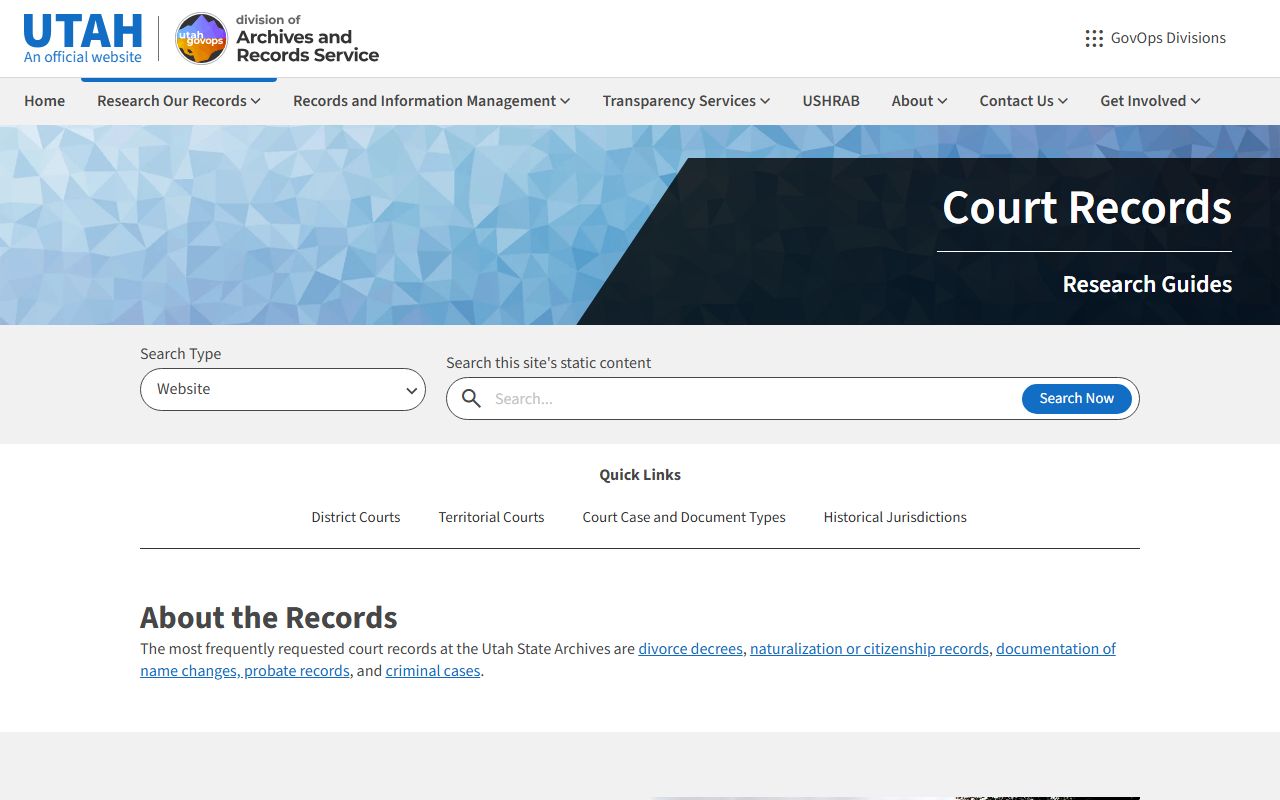
The archives route is often the best fit when a Utah police blotter search is really a request for nineteenth-century or early twentieth-century law enforcement records.
Utah Custody and Release Tools
Not every Utah police blotter search is about the original incident report. Some people need to know whether a person is still in custody, has moved into state supervision, or has a release notice path. The Utah Department of Corrections offers an offender search for people in state custody or under supervision, while Vinelink adds notification and custody tracking functions used across many jurisdictions. Those tools do not replace a county booking log, but they are useful after a Utah arrest moves beyond the first jail intake stage.
This image from the Utah Department of Corrections highlights the state offender-search route for sentenced or supervised individuals.
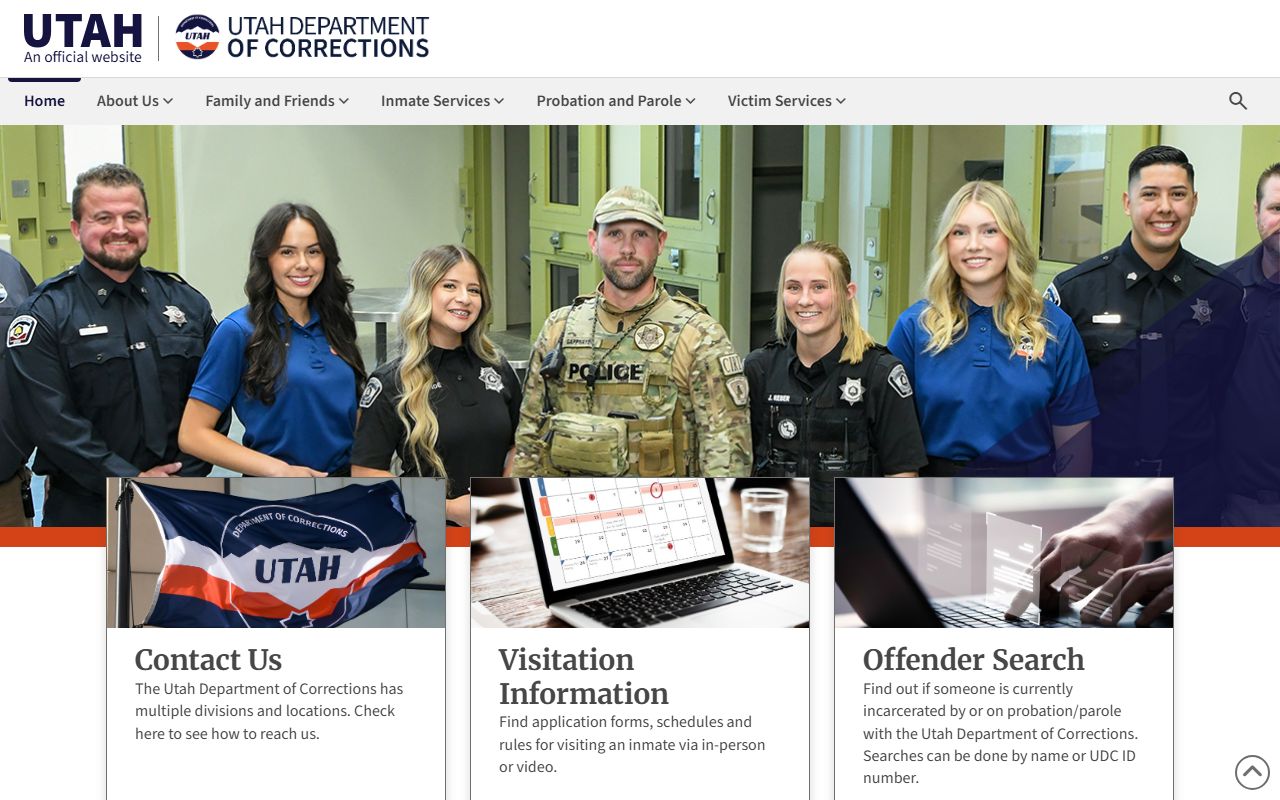
The corrections search is a later-stage tool, which is why it works best alongside a county Utah police blotter page rather than instead of one.
This image from Vinelink shows the notification and custody tracking service that can support a broader Utah police blotter search.
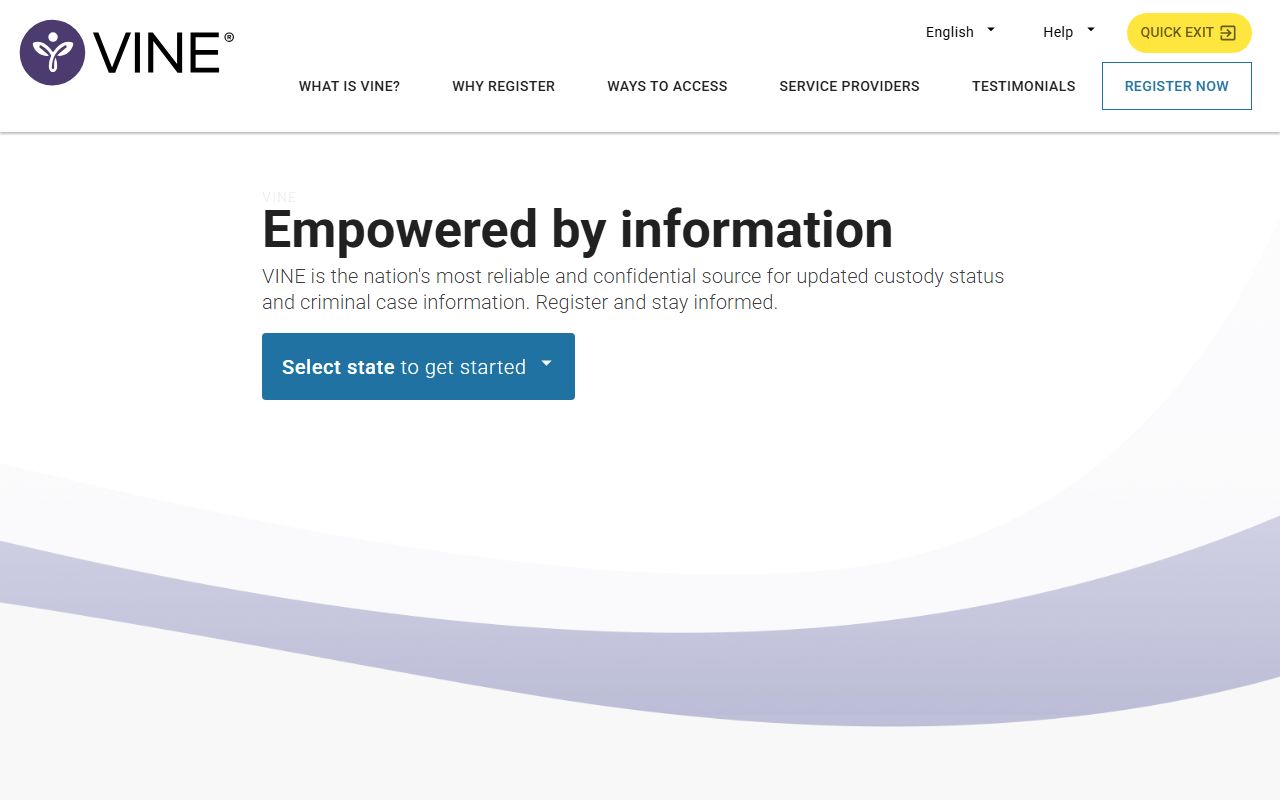
Vinelink is useful when a Utah arrest search turns into an effort to monitor transfer, release, or custody status updates over time.
Use Local Utah Police Blotter Pages
County and city coverage matters because Utah law enforcement records are local first. A Beaver County jail posting, a Salt Lake County roster, a Provo police request form, and an Ogden records desk all work differently. The pages below narrow those local routes and mix in the relevant state backup resources when a county or city source is thin. That makes the Utah police blotter search process faster, especially when the county sheriff and city police department divide responsibility for the same event.
Top Utah Counties by Population
Start with the five largest county pages when your Utah police blotter search is most likely tied to the biggest jail systems, sheriff records offices, and court dockets in the state.
Top Utah Cities by Population
Start with the five largest city pages when your Utah police blotter search is most likely tied to the busiest municipal police departments and records desks.