
Search Grand County Police Blotter
Grand County Police Blotter records are the fastest way to start a search in a county that sees a lot of travel, tourism, river traffic, and backcountry calls. Moab is the county seat, but the sheriff's office also deals with Arches and Canyonlands traffic, search and rescue work, and incidents that can happen far from town. That makes the record trail broader than a simple jail lookup. Start with the sheriff's office when you need the booking side, then move to court or state records if the case continues after the arrest.
Grand County Quick Facts
Grand County Police Blotter Search
Grand County keeps its police blotter trail through the sheriff's office in Moab. The county serves Moab, Castle Valley, and the surrounding public-land corridors, so a single event can involve a road stop, a rescue call, or a booking that happens after a long field response. The sheriff's office page is the first place to check because it ties the county's jail operations, records requests, and emergency dispatch together. If you need a live custody check, start there. If you need the result of the case, keep moving to the court file.
Use Grand County Sheriff's Office as the county doorway. The research says the office accepts GRAMA requests at the sheriff's office in Moab, keeps inmate information for the jail, and serves a county that has a lot of visitor-related incidents. That matters because a Grand County Police Blotter search is often about more than one record. A name may appear on a roster first, then again in court, and then again in a records request for the incident report.
This image from Utah Bureau of Criminal Identification shows the state criminal records path that can back up a Grand County search when the local roster is not enough.
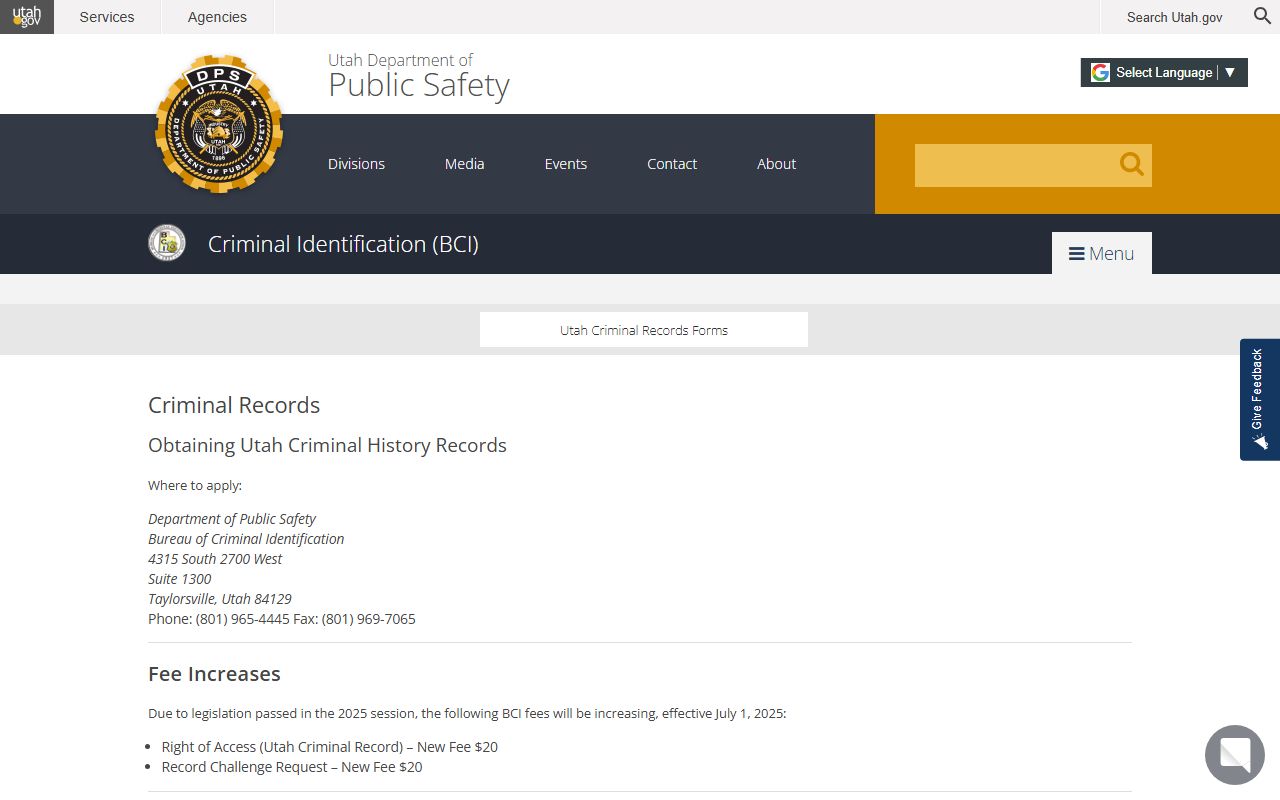
BCI is the right state fallback when Grand County booking data turns into a broader criminal history question.
Grand County Jail and Court Records
Grand County jail records are useful because the county jail houses inmates for the county and some federal contracts. That means the jail can be the first public sign that a Grand County arrest has been processed. The county research says inmate information is available online or by phone, and that is the best place to confirm custody before you ask for more. It is also where a tourist-related arrest can show up after a stop on the river, at a trailhead, or in a campground.
The court side matters just as much. The Seventh District Court in Moab handles felony cases, while the Justice Court handles misdemeanors. Those records can show the filing date, the hearing dates, and what happened to the charge after booking. If the sheriff's office tells you the person is in custody, the court file tells you what came next. The Utah courts records page is the next step when you need the filed case side. That is the difference between a roster and a case file, and it is the difference that matters most in Grand County.
Grand County also sees a lot of law enforcement work tied to recreation and public land. Search and rescue, river patrol, and OHV enforcement can all create reports, citations, or incident records. That means the jail and court pieces are only part of the picture. A complete Grand County Police Blotter search should stay open to more than one office and more than one type of public record.
Grand County Police Blotter Requests
Grand County accepts GRAMA requests at the sheriff's office in Moab. The research says forms are available, ID is required, and standard fees apply. That is the right path when you need the incident report, a booking record, or another county file that is not already posted online. Grand County has enough visitor traffic that requests often need a date, a place, and a report number to stay on target. A vague request can slow the answer down fast.
Under Utah Code Title 63G Chapter 2, the county has ten business days to respond to a written request unless a different rule applies. It can still withhold material that is tied to an active investigation or that falls into a protected category. That is normal. It means the county has to review what can be released and what needs redaction. The best Grand County Police Blotter request keeps the scope tight and tells the sheriff exactly what file you want.
For a Grand County request, include the basics below:
- Full name of the person involved
- Approximate date of the incident or booking
- Report number, case number, or booking number if known
- Your contact information for the reply
That combination gives the sheriff a clean path to the right file and cuts down on delay from back and forth.
This image from Utah Department of Public Safety shows the state records portal that can help when a Grand County request turns into a state-level records question.
The portal matters when the local file is not enough and the request needs a state agency route instead of a county one.
Grand County Police Blotter and GRAMA
Grand County has a lot of special-case law enforcement work. Search and rescue calls can come from canyons or remote desert land. River patrol can generate boating reports. OHV enforcement can produce citations and incident notes. That makes the county a place where the police blotter is often part of a larger field response. It also means the sheriff may need time to sort out what is public and what belongs to an active operation or investigation.
Tourism also matters. The county research notes visitor-related incidents like lost hikers, vehicle break-ins, and camping violations. Those records can be public, but they can also include private details or operational notes that are not open right away. If a request reaches that kind of file, GRAMA still applies. The county can release the report, hold back sensitive lines, or direct you to a different office if the record belongs to the court or a state agency.
Note: A Grand County police blotter entry can be public even when search and rescue notes, river details, or other sensitive lines stay out of the copy.
Grand County Police Blotter State Records
State records are important in Grand County when a booking becomes a state custody issue or when the local file is not the whole story. The Utah Department of Corrections offender search is useful for people who have moved out of county jail and into state supervision. Vinelink can also track transfers, releases, and custody changes at participating facilities. Those tools do not replace the county roster, but they help you keep track of a case after the first booking is over.
Historical work can also move to the Utah State Archives. The archives guide for criminal records shows how older arrest and police blotter material is preserved, which can help if you are researching an older Grand County matter or trying to trace a record that is no longer on the current roster. For a county with a lot of travel and public land activity, that history can matter more than people expect. It gives you a way to look past a current booking screen and into the older record trail.
This image from Vinelink shows the custody tracking tool that can help with a Grand County search after booking.
Use VINE when a Grand County arrest has already moved into transfer or release tracking.
Nearby County Records
Grand County sits near several other eastern and central Utah counties, and a search can spill over a border quickly. A person may be booked where the stop happened, or a case may appear in a different county if the arrest happened near a line or if the suspect was moved after booking. Nearby pages help you compare records without starting over.