
Search Garfield County Police Blotter
Garfield County Police Blotter records help you follow a booking, a jail entry, or a case that moved out of the sheriff's office and into court in Panguitch. The county covers a wide stretch of southern Utah, so the same incident can touch the sheriff, the jail, the justice court, and the Sixth District Court before the paper trail is finished. That is why the search works best when you start with the local office and keep the name, date, and record type tight. A good Garfield County search does not guess. It follows the record to the office that holds it.
Garfield County Quick Facts
Garfield County Police Blotter Search
Garfield County keeps its police blotter trail through the sheriff's office in Panguitch. The county serves Panguitch, Escalante, Boulder, Tropic, Hatch, and the surrounding rural areas, so a search can begin with a local booking and then fan out to court or records staff. The sheriff's office website is the first place to check because it gives the public the county contact point for bookings, records, and emergency service. If you only need to know whether someone was booked, start there.
The county sheriff site at Garfield County Sheriff's Office is the main local source. The office also manages the jail and posts or maintains inmate information for current detainees. That makes the county page useful when a booking is fresh and the court file is not ready yet. A quick Garfield County Police Blotter search often needs only a name and a rough date. The more exact the date, the less time staff spend sorting through the wrong person or the wrong day.
This image from Utah Bureau of Criminal Identification shows the state criminal history entry point that can help when a Garfield County search needs a statewide backup.
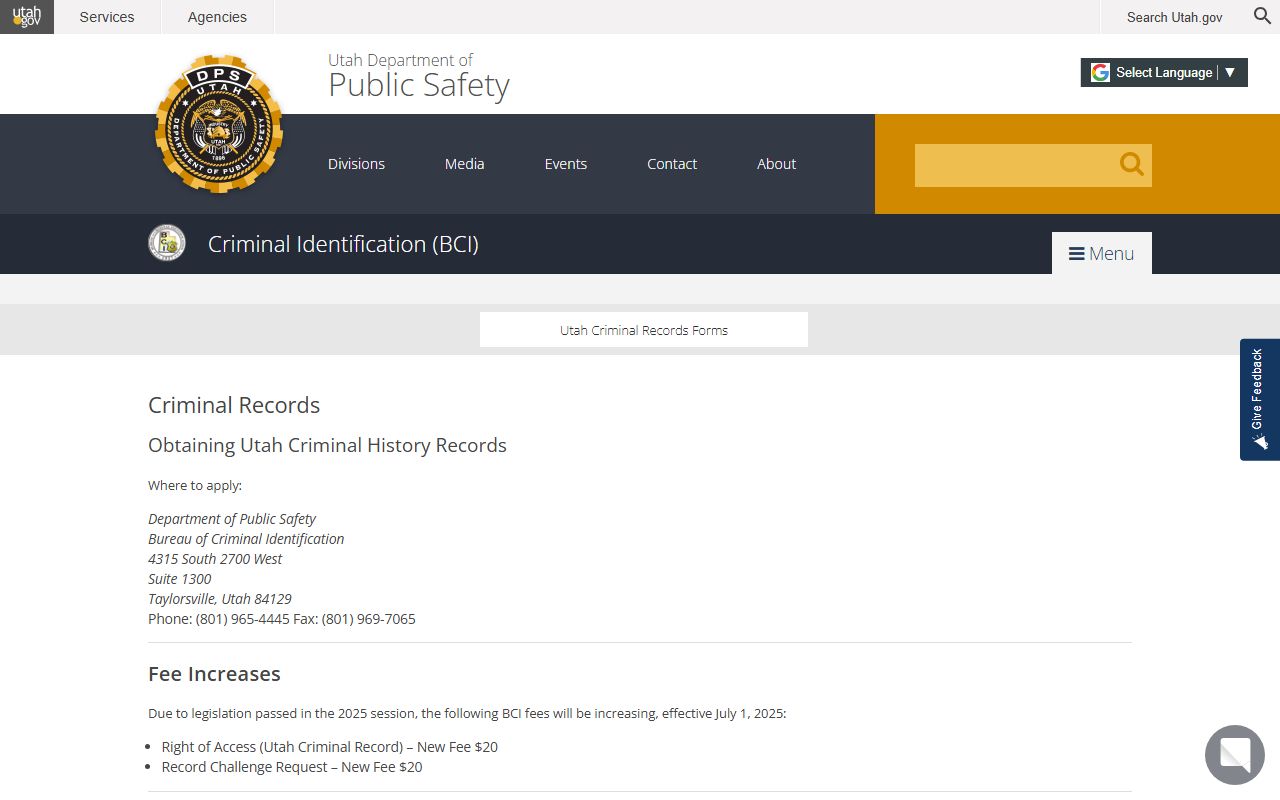
Use the county sheriff first, then BCI if the matter has moved beyond a simple local booking or if you need your own Utah criminal history record.
Garfield County Jail and Court Records
Garfield County jail records and court records serve different jobs. The jail shows who is in custody right now. The court file shows what happened after the arrest. In Garfield County, felonies go to the Sixth District Court in Panguitch, while misdemeanors are handled by the county justice court. That split matters because a blotter entry might tell you the arrest happened, but the court file tells you whether it turned into a filed case, a dismissal, a plea, or a sentence.
The research says the jail sits at 375 North 700 West, Panguitch, UT 84759, with the sheriff's office phone at 435-676-2678. It also says the jail roster is available for current detainees. If you are checking a recent booking, that is the fastest public lead. If the case moved into court, the clerk of court or the Utah courts records page is the better next stop. Court records can be pulled through the clerk or through the state system once the case is filed.
Garfield County's own office page at Garfield County Sheriff's Office also points to civil process, 911 dispatch, and search and rescue. Those details matter because the office does more than hold the jail. It is the county doorway for several records and service functions. When a record is split across those functions, the sheriff's office is usually the best place to ask which file exists and where it lives.
Garfield County Police Blotter Requests
Garfield County accepts GRAMA requests at the sheriff's office in Panguitch. The research says forms are available at the office or by mail, and email requests are accepted with verification. That is the cleanest route when the jail roster is not enough and you need a report, supplement, or other public record tied to a Garfield County incident. Under Utah law, the county has to start from the idea that public records are open, but it can still withhold material that belongs to an active case or that contains sensitive details.
Under Utah Code Title 63G Chapter 2, the county must answer a written request within ten business days unless the law allows more time or expedited handling. That timing is useful, but it is not instant release. The county still needs to review the file, decide what is public, and check whether a redaction is needed. If the request is precise, the review is usually faster.
For a Garfield County request, include the basics below:
- Full name of the person involved
- Approximate date of the arrest or incident
- Jail, report, or case number if known
- Your contact information for the response
That small set of facts helps the sheriff or clerk find the right record. It also keeps a public request from turning into a long back-and-forth over the wrong incident.
This image from Utah GRAMA statutes shows the rules that frame Garfield County records access.
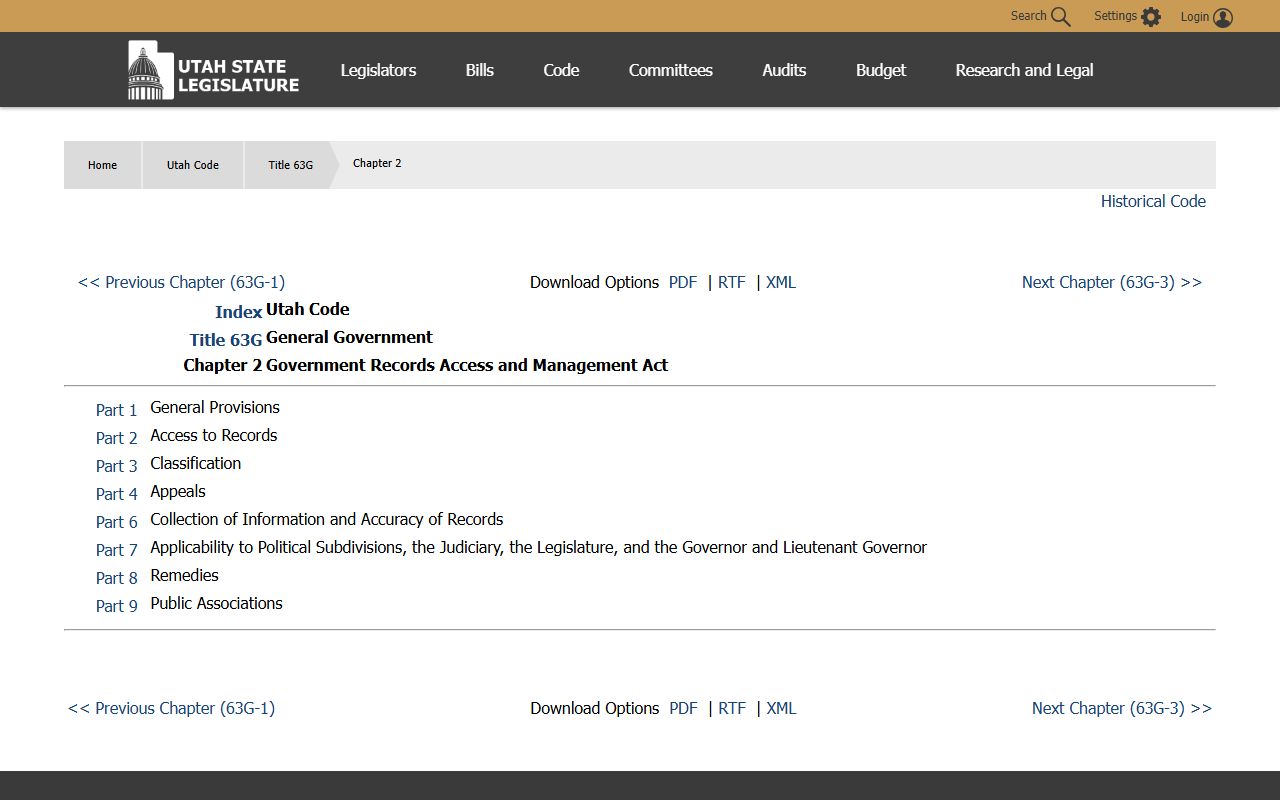
Garfield County follows the same state access rules, so the county request process is built around public, protected, and private record lines.
Garfield County Police Blotter and GRAMA
Garfield County Police Blotter work is not just about arrest data. The sheriff also handles search and rescue, livestock issues, and civil process. Those responsibilities can generate records too, especially when a rescue call or a civil service event overlaps with a police response. The county also says it coordinates emergency dispatch. That means one sheriff office can hold several different kinds of public material, and the right request has to point to the right file type.
Because the county serves a large rural area, a request can also involve sensitive field work or an active investigation. Utah law allows the county to protect material that could interfere with an open case, expose private data, or put someone at risk. If that happens, the public side of the report may still be available even if some notes are not. That is normal. It is also why a well-scoped Garfield County Police Blotter request usually gets a better answer than a broad one.
Note: A booking log can be public while some rescue notes, investigation details, or personal data stay redacted under GRAMA.
Garfield County Police Blotter State Records
State records matter in Garfield County when the local file is old, sealed, or no longer on the front page of the sheriff's site. The Utah courts records page can show filed criminal cases after the arrest, and the Utah State Archives preserve historical criminal materials that are useful for older research. If you need your own Utah criminal history, BCI is the state repository that handles the official request. Each of those tools answers a different question, and that is why the county page should point to all three when needed.
The archives are especially useful for historical work because Utah has records that reach back to territorial days. The criminal guide can help when you are tracking a person, a place, or a very old arrest that predates the current jail roster. For a county like Garfield, where the sheriff also handles rural service work, archives can fill the gap when a modern page does not show the older event you are trying to find.
This image from Utah State Archives criminal records guide shows the historical records path for Garfield County research.
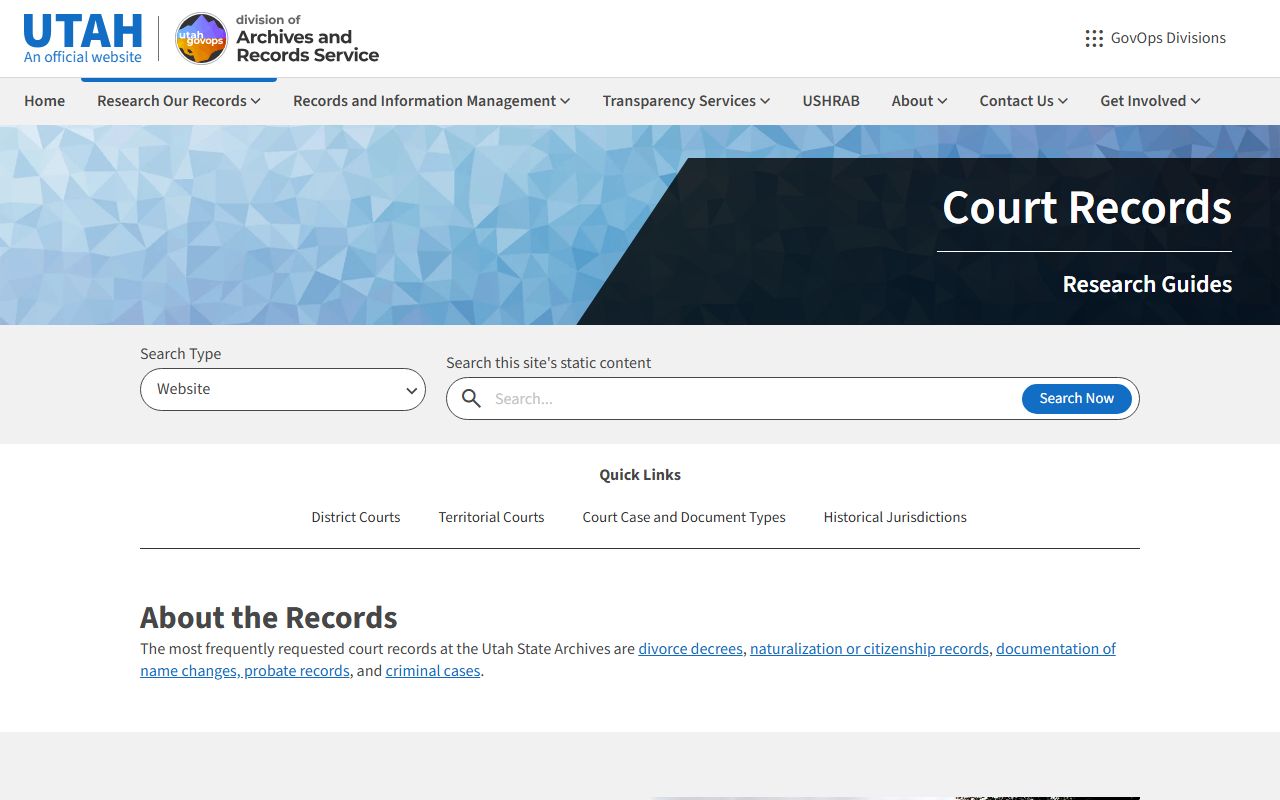
Use the archives after the sheriff and the courts when you need a historical trail rather than a live booking snapshot.
Nearby County Records
Garfield County sits near several other southern Utah counties, and a search can spill across a county line fast. A person may be booked where the stop happened, or the case may be heard somewhere else if the first office was not the final one. Nearby county pages help keep that trail visible.