
Search Wayne County Police Blotter
Wayne County Police Blotter records are the place to start when you need a rural arrest trail, a booking note, or a court file from Loa or one of the county's small towns. Wayne County covers a wide and thinly populated area, including Capitol Reef National Park, so records can move slowly and staff may have to juggle several duties at once. That makes the sheriff's office the key first stop. If the matter turns into a court case or if an inmate is moved elsewhere, the search should widen to the court and state tools without losing track of the local file.
Wayne County Quick Facts
Wayne County Police Blotter Basics
Wayne County keeps its police blotter path centered on the sheriff's office in Loa. The office serves Loa, Bicknell, Torrey, Hanksville, Caineville, and remote country around Capitol Reef National Park. That geography matters because a long response area and a small staff can slow the pace of records work. The county also notes limited jail capacity, so some inmates are transported to neighboring counties and held elsewhere. That means the local blotter may only show the first part of the record trail, not the full custody picture.
The sheriff's office also handles GRAMA requests, and the county says procedures may depend on current staffing. That makes Wayne County a place where exact details really matter. A good request should narrow the date, location, and name as much as possible. If the incident was in Torrey, near Capitol Reef, or in another remote area, that detail helps the office find the right report. Wayne County records are rarely hard because they are complex. They are hard because the county covers a lot of ground with limited help.
Wayne County's sheriff page at wayne.utah.gov/sheriff is the county source for the office that handles records, dispatch, and the first booking trail.
Wayne County Police Blotter Search
Wayne County police blotter searches often begin with a location and then move to the person. Loa, Bicknell, Torrey, Hanksville, and Capitol Reef are useful markers because they tell the sheriff which part of the county the incident came from. The county's remote patrol area means long response times can be normal, and that can affect how fast a booking shows up. If the person was only temporarily held, the jail side may be outside the county by the time you search. That makes the local blotter only one piece of the puzzle.
The county also handles search and rescue in remote desert and mountain areas, which means some records are tied to recreation rather than ordinary street policing. That can create reports that are not easy to find through a simple jail lookup. If the event involved a park or backcountry response, you may need the sheriff's incident file rather than a custody record. Wayne County searches are best when you think in layers and not just in arrest terms.
This screenshot from Utah GRAMA statutes shows the access rules that govern a Wayne County request.
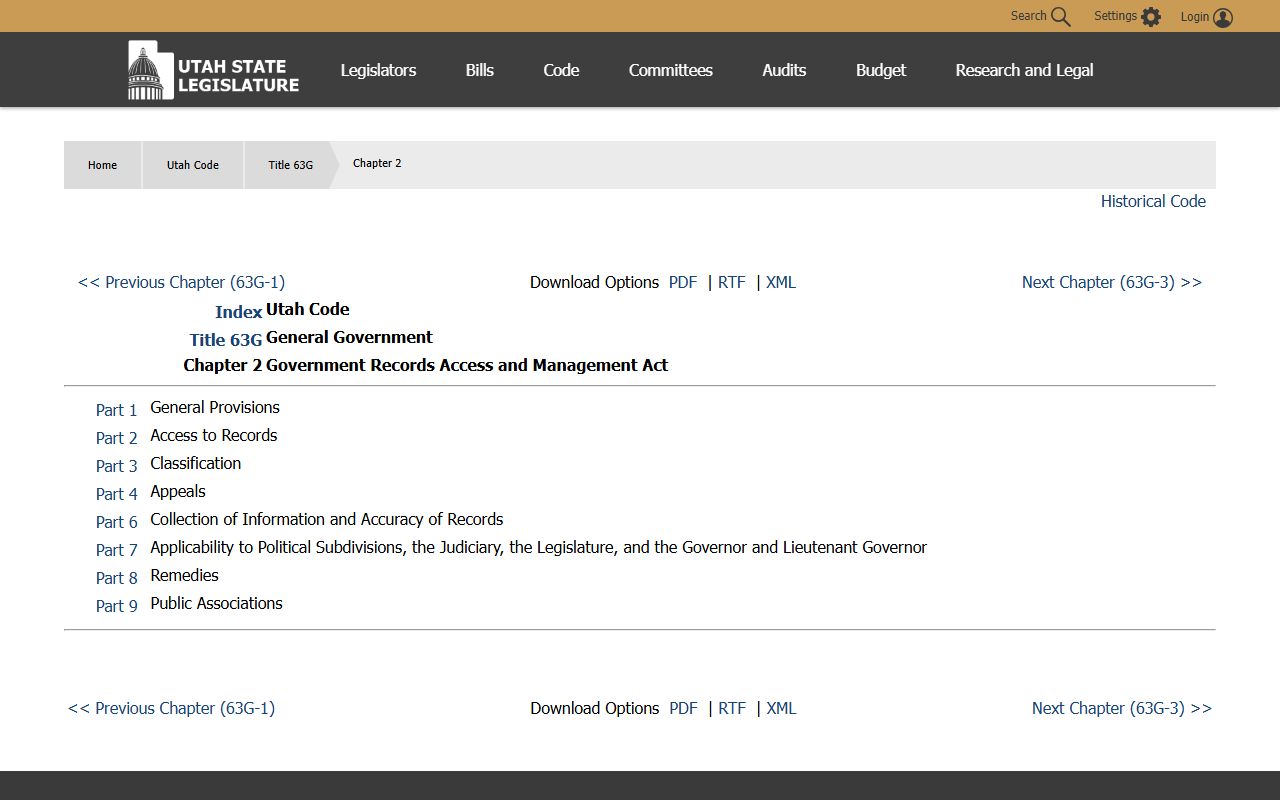
The GRAMA page is the right reference when you need to know why Wayne County may release a short summary but keep some details back.
When the request becomes a statewide history question, the Utah Bureau of Criminal Identification page at bci.utah.gov/criminal-records is the better fallback for official criminal history access.
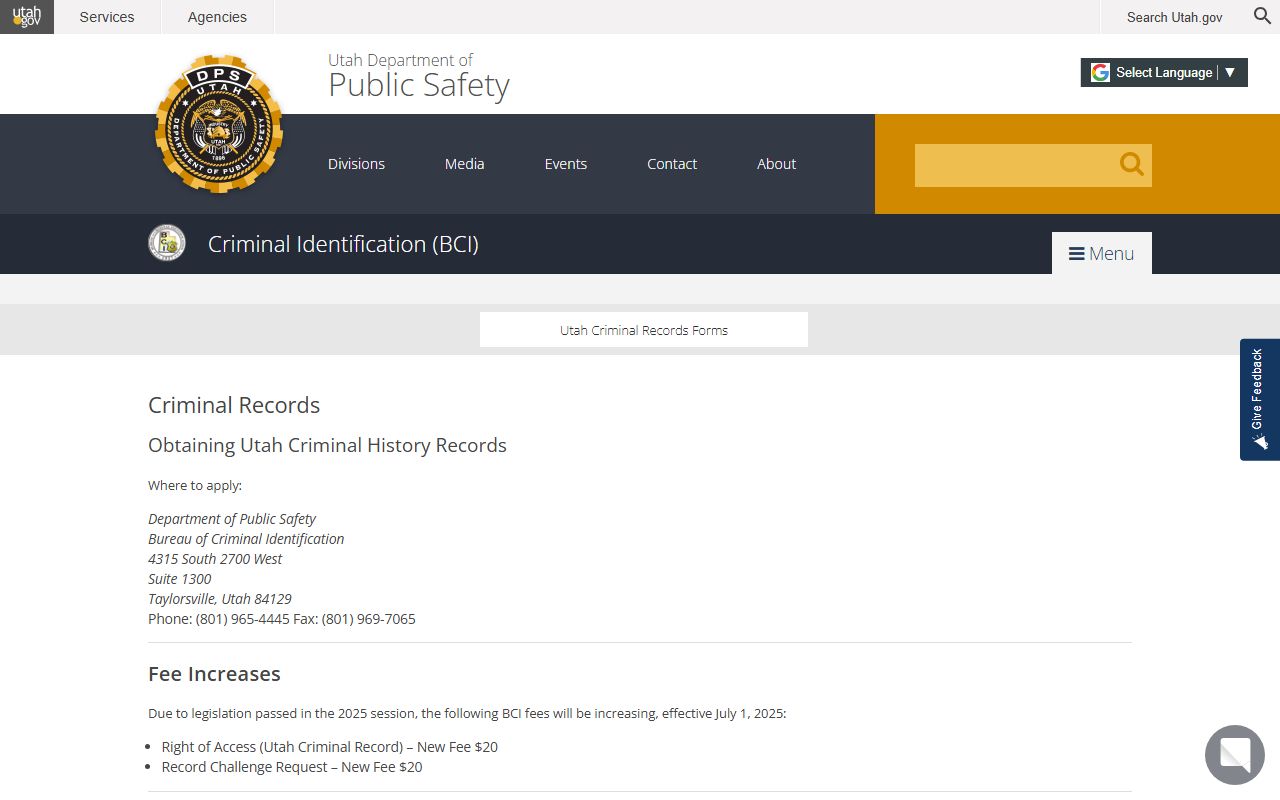
That state image is useful when a Wayne County booking becomes a broader criminal history question instead of a local record request.
Wayne County Police Blotter and Court Records
The court side in Wayne County runs through the Sixth District Court in Loa, with the Justice Court handling local misdemeanors. Because the county is small and staff is limited, the court schedule may be less frequent than in larger counties. That means the court file can be a better source of truth than the jail page when a case has already moved into court. If you are tracing the final result, the court record matters more than the initial booking note.
Wayne County police blotter work gets easier when you know whether the person is still local or was transported. A custody transfer can happen quickly because the jail is limited. When that happens, the arrest remains a Wayne County event but the custody record may sit in another county. The court file can still show the legal result, while the sheriff file shows the first contact. Both are useful. Neither one is the whole record on its own.
For statewide court lookup, the Utah courts records page at utcourts.gov/records is the best route once the arrest has turned into a filed case.
Wayne County GRAMA Requests
Wayne County GRAMA requests go through a small office, so the request should be narrow and clear. The county says records are maintained per state requirements, but it also notes that storage and staffing are limited. That makes it smart to include the exact details that matter most. A date, place, and name are usually the best start. If you know the person was in Torrey, Hanksville, or near Capitol Reef, that context can save a lot of time.
Under Utah Code Title 63G Chapter 2, the county can redact or withhold parts of a file that are private, protected, or tied to a live case. The county may also need more time because the office is small and records are not centralized in a big system. That does not mean the record is unavailable. It means the county may have to look harder before it can release what the law allows.
Wayne County also notes that after-hours dispatch may be handled by neighboring counties and that emergency coverage is limited. That same small-staff reality shows up in records work. The cleanest search is still the sheriff first, court second, state backup last.
Note: Wayne County requests can take longer because the office is small, so exact record details matter more than usual.
Wayne County State Records
When Wayne County records are sparse, state tools help fill the gap. The Utah State Archives criminal guide can cover older arrest or blotter material, and Vinelink can help track custody changes if a person has been moved. The Utah Bureau of Criminal Identification can also help with official criminal history requests. Those tools become important when a Wayne County jail record is brief or when the record has shifted out of local control.
The archives guide at archives.utah.gov/research/guides/criminal.html is the historical backup for older Wayne County matter. If you need a custody alert path, Vinelink can help after a booking. And if the question is about a statewide criminal history record instead of the county file, the BCI page at bci.utah.gov/criminal-records is the right route. In Wayne County, that combination is often the difference between a stalled search and a finished one.
Nearby County Records
Wayne County is remote enough that nearby counties can still matter when a record is missing or when an inmate was moved. If the local search stalls, check the nearest county page before you assume the record is gone. A small county often depends on neighboring systems for custody and backup services.