
Kane County Police Blotter Search
Kane County Police Blotter records are most useful when you need to trace an arrest in Kanab or check a jail booking that later moved into the Sixth District Court. The county covers a large stretch of southern Utah, including rural towns and park areas, so the first record may not be the final one. A booking may show up in the jail, a report may stay with the sheriff, and the case may move into court soon after. A clean search follows the file step by step instead of expecting one office to hold everything.
Kane County Quick Facts
Kane County Police Blotter Basics
Kane County keeps law enforcement records through the sheriff's office in Kanab. The office serves Kanab, Orderville, Alton, Glendale, Big Water, and the rural parts of the county. The jail sits at 971 East Kaneplex Drive, and the sheriff's office is available by phone around the clock for general jail and custody questions. That makes the sheriff the right first stop when you need a booking lead or a current custody check. Because the county is spread out, local police, the sheriff, and the court may all hold separate pieces of the same event.
The county research also says you can find inmates in seven ways. That includes the official jail roster, Vinelink, a phone call to the jail, a call to local police, a neighboring county check, a written or in-person inquiry, and an online search by name. That gives Kane County a surprisingly broad search path for a rural county. It also means the first answer is not always the last one. A person can be booked later than expected, or a local hold can keep the name off the public page for a while.
Kane County Police Blotter searches are easier when you know whether you want custody, a report, or a case result. The sheriff controls the jail side. The court controls the filed case. The search gets clearer when you separate those questions before you ask for records.
Kane County Police Blotter Search
The county sheriff's office is the place to start when you need a local booking or arrest lead. The research says mugshots may be requested in writing if they are not already online, and it gives the jail address for that request. That is useful because the jail side often changes faster than the court side. If you only need a custody check, the jail or Vinelink can answer quickly. If you need the report behind the booking, you may need a formal GRAMA request.
For custody tracking, this image from Vinelink shows the national inmate notification path that can support a Kane County search.
Vinelink is a useful second look when a booking has already happened and you want release or transfer updates.
The county sheriff page at Kane County Sheriff's Office is still the main local source for records requests, jail questions, and the first booking lead. The office handles GRAMA requests, keeps forms available, and uses the standard ten business day response timeline. That keeps the process in line with the rest of Utah even though the county is rural and the records trail can be spread out.
Kane County Police Blotter Requests
Kane County says written requests go to the sheriff's office and that forms are available. Under Utah law, the county must respond within ten business days to a written request unless extraordinary circumstances apply. That means the county has to answer, but it still has room to review the file and decide what it can release. In practice, a good request is specific. Ask for the report type, the person, the date, and the record you want. That keeps the sheriff from searching the wrong file.
Kane County also notes that historical records may be archived and that juvenile records are restricted. That is important because the public side of a Kane County Police Blotter search can be thin if the file is old or involves a minor. If the file is archived, the county may need time to pull it. If the file is juvenile, the release rules are narrower. Those are ordinary GRAMA limits, not a failure of the search.
Because the county sits near Zion and other high-traffic areas, the request should include any location details you know. A park area, highway, or town name can help staff separate one event from another. That is especially useful when the arrest was near a border or on a route that crosses multiple agencies.
When you file a request, include the basics below:
- Full name of the person involved
- Approximate date and location of the incident
- Booking or case number if known
- Whether you need a report, mugshot, or custody check
- Your contact details for the response
Kane County Police Blotter and Court Records
The court side in Kane County is part of the Sixth Judicial District. The official district page makes clear that Kane County is in that district, and the juryroom contact page lists Kanab court contact information. That is the next stop after a jail record if the arrest turned into a filed case. The court file can show the charge, the hearing date, and the result. The sheriff's office cannot tell you that part of the story.
Kane County court records matter because the district covers a large rural area and the public may travel a long way to reach the courthouse. That makes it even more important to know whether you need the sheriff or the court before you start. If you are tracing a Kanab arrest, the local court page is often the clearest route once the booking is done. If the record is older, the state court records system can help you confirm the filed case and any later status change.
Official court links that fit Kane County include the Sixth Judicial District and the Kanab court contact page.
Kane County Police Blotter and State Records
When a local arrest is not enough, Utah BCI and the Utah State Archives are the best state-level backups. BCI handles official criminal history requests, which is useful when you need more than the county jail summary. The archives guide points to older criminal and police blotter material, which can matter in Kane County if the record is historical or if the live jail side no longer shows the name. Together, those state tools keep a Kane County Police Blotter search from stopping too early.
This image from Utah BCI criminal records shows the statewide criminal history route for a Kane County search.
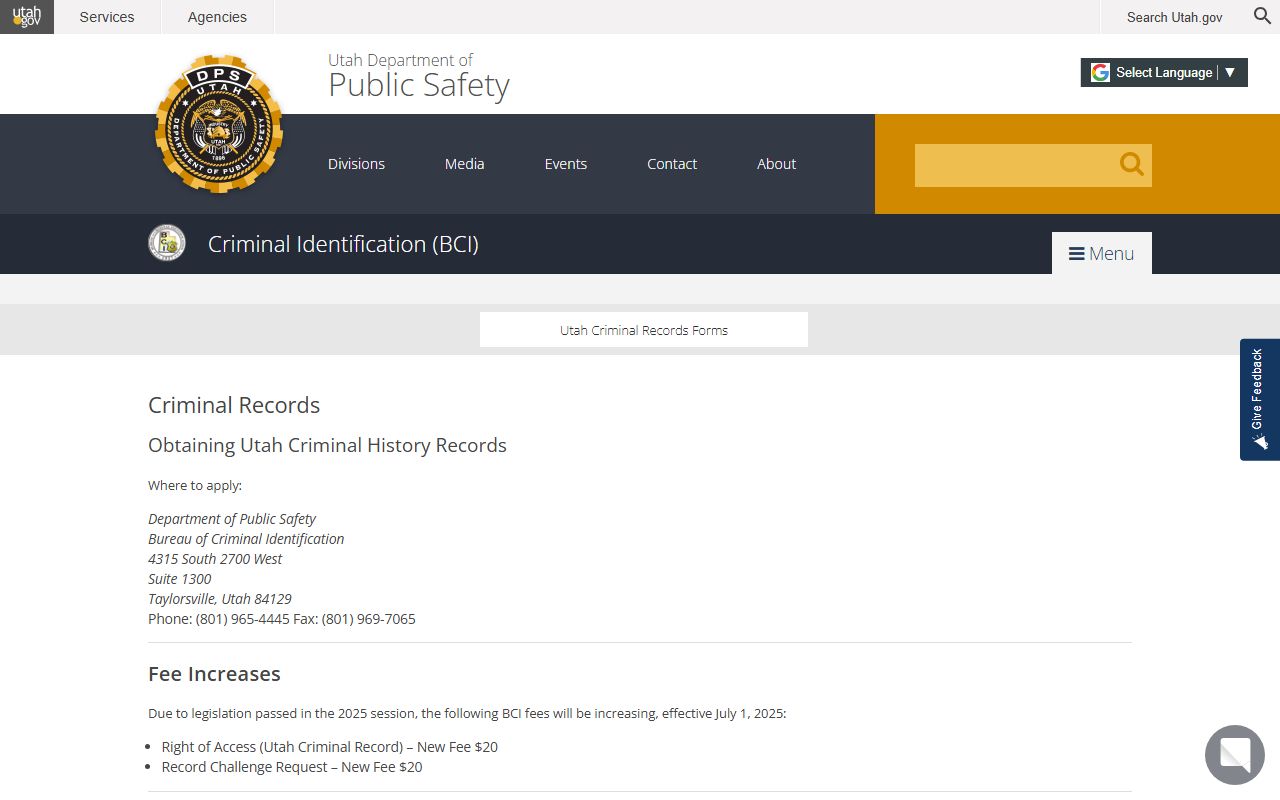
The BCI page is the right state fallback when a Kane County booking turns into a broader history question.
This image from the Utah State Archives criminal records guide points to older arrest and police blotter material.
The archives route is the better fit when the Kane County record is old or has been moved out of the live jail system.
Kane County Police Blotter Copies
If you need copies, ask the office that owns the record. The sheriff handles booking and custody records. The court handles filed case papers. The archives can help when the record is old. In Kane County, that office split matters because one search can turn into three different requests if you are not careful. The county's GRAMA form process helps, but the request still works best when it is narrow and direct.
Kane County also says that law enforcement and search-and-rescue activity can produce records that are not always obvious on a standard booking page. That is true in a county with national park traffic and backcountry calls. If you know the area, the date, and the incident type, use that to focus the request. It will save time and make the response easier to verify. A county page should help you see where the file lives before you send the paperwork.
Note: Kane County police blotter records may be public, archived, or partially withheld depending on the age of the file and the record classification.
Nearby County Records
Kane County sits beside several other southern Utah record systems, and those nearby counties can help when a booking or case crossed a line. If the record does not appear where you expect, compare it with neighboring counties before you stop looking. That is especially helpful in rural areas where transport and court assignment can move the file quickly.