
Search Cottonwood Heights Police Blotter
Cottonwood Heights Police Blotter searches work best when you start with the city's police pages because the city separates active police contact from formal records requests. That matters if you know an incident happened but still need to determine whether you need a police report, a property follow-up, or a county booking record. Cottonwood Heights gives the public a direct police page, a police records page, and a clear local address, which keeps the search focused. If the event later moved into jail or court, Salt Lake County becomes the next stop. The city report still comes first.
Cottonwood Heights Police Blotter Basics
The official Cottonwood Heights police page says anyone needing to submit a police report should call non-emergency dispatch at 801-840-4000, which operates around the clock, and should not rely on the web page for live monitoring. That is useful because a Cottonwood Heights Police Blotter search often begins before the record is ready. The city is clear about the line between active police contact and later file access. Dispatch handles current calls. Records handles the report after the event moves into the records process.
The same page lists the police operation at 2277 East Bengal Boulevard in Cottonwood Heights and says the public can visit City Hall Monday through Friday from 8 a.m. to 5 p.m. It also gives the local police number 801-944-7100. Those details matter because a police blotter search works best when the requester can tie the event to a real local office instead of a vague county-wide contact. Cottonwood Heights gives that local starting point clearly.
The police page also includes practical links to records requests, property and evidence help, monthly reports, and inmate lookup. That matters because the city treats police records as part of a larger public-safety workflow. A local search may begin with the report, then move to property release, county custody, or court records depending on what happened next. Cottonwood Heights does a good job of showing those branches without forcing them into one generic form.
The Cottonwood Heights police page is the best local starting point because it gives the dispatch line, local police number, address, and records link in one place.
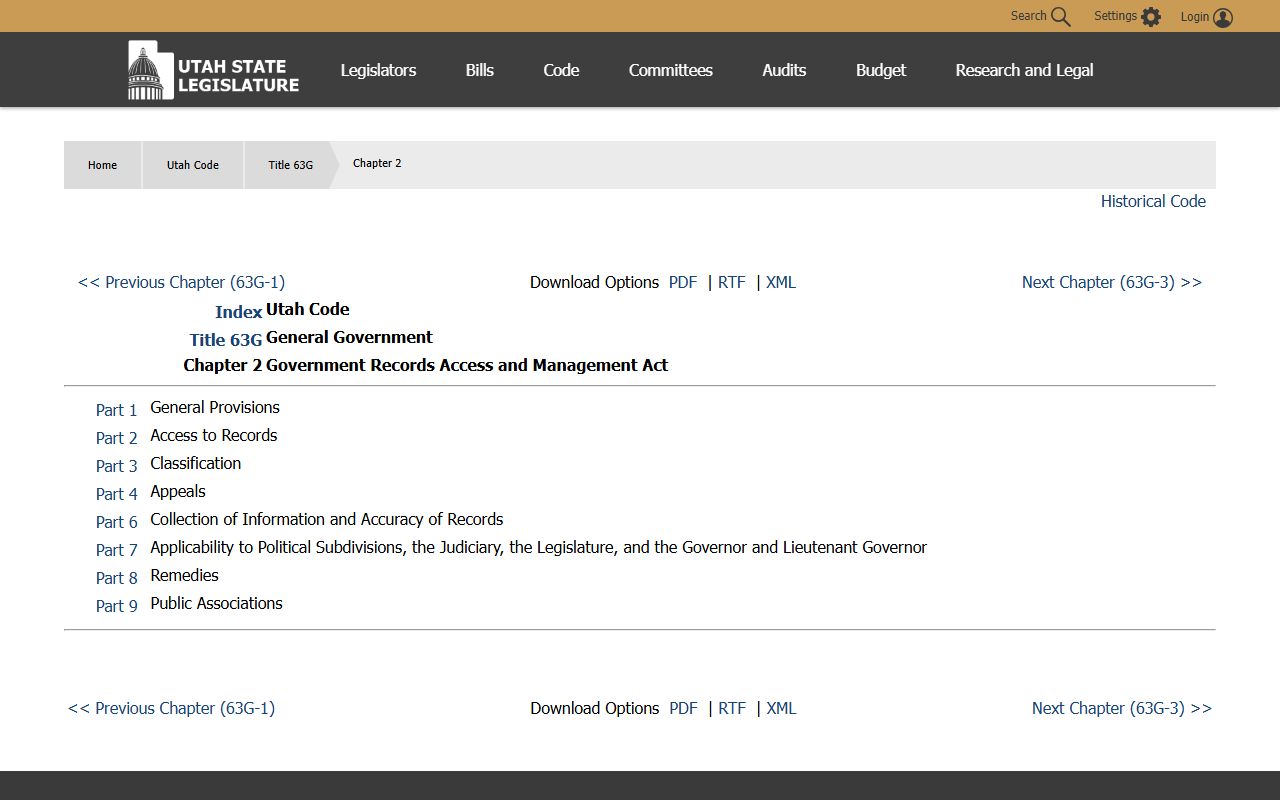
That state law image fits because every Cottonwood Heights Police Blotter request still depends on Utah GRAMA even when the search begins with the city police page.
Cottonwood Heights Police Blotter Requests
The city's police records page is the clearest local source for how a records request actually works. It says GRAMA requests can be made online, by mail, or in person, and it gives the police records mailing address as 2277 East Bengal Boulevard, Suite B, Cottonwood Heights, Utah 84121. That matters because a Cottonwood Heights Police Blotter request should go through the records process, not through dispatch. The page also says a specialist will contact the requester when the documents are available, which tells you the city is actively managing the release workflow.
The same records page keeps the process practical. It tells people to contact dispatch at 801-840-4000 to submit a police report and then shifts to GRAMA for records access after the report exists. That distinction helps a lot. A police blotter search is about the finished or reviewable record, not the live event. Cottonwood Heights makes that separation clear enough that the public can follow it without guessing.
The city also keeps property and evidence release details on the main police page. It says people should call 801-944-7100, ask for a property and evidence specialist, and make an appointment. It gives appointment hours from 9 a.m. to 4 p.m. Tuesday through Thursday and says a valid photo ID is required. That is not the same thing as a police report request, but it is often part of the same search after a case closes or property is ready to be released. For some people, that is the next record step that matters most.
The Cottonwood Heights police records page is the strongest local records source because it states the GRAMA methods, the records address, and the city's specialist follow-up process.
Cottonwood Heights Police Blotter and Salt Lake County
Cottonwood Heights sits inside Salt Lake County, so a city report can quickly lead into county custody records or court records. That is why a Cottonwood Heights Police Blotter search should not stop with the local report if the incident turned into booking. Salt Lake County's jail rosters page is the right next stop because it shows booking details, housing information, and release details when those are available for public view. The city report tells you what happened locally. The county roster tells you whether the event moved into custody.
Salt Lake County's public safety contact page also confirms the Cottonwood Heights office and dispatch lines, which is useful when you need to compare the city and county sides of the same event. That county page lists the Cottonwood Heights Police Department office at 1265 East Fort Union Boulevard and the dispatch line used for police contact. Even when the city report is the main record, those county-facing contacts help explain how the broader public-safety network is organized.
If the case became a filed criminal matter, the Utah courts records system is the next logical step. That keeps the search in order. Start with Cottonwood Heights police for the report. Move to Salt Lake County for jail records. Move to the courts for the filed case. Keeping those offices in sequence usually avoids the confusion that happens when one office is asked for a record another office actually controls.
The Salt Lake County jail rosters page is the best county follow-up when a Cottonwood Heights police event moved from the city report into booking or custody.
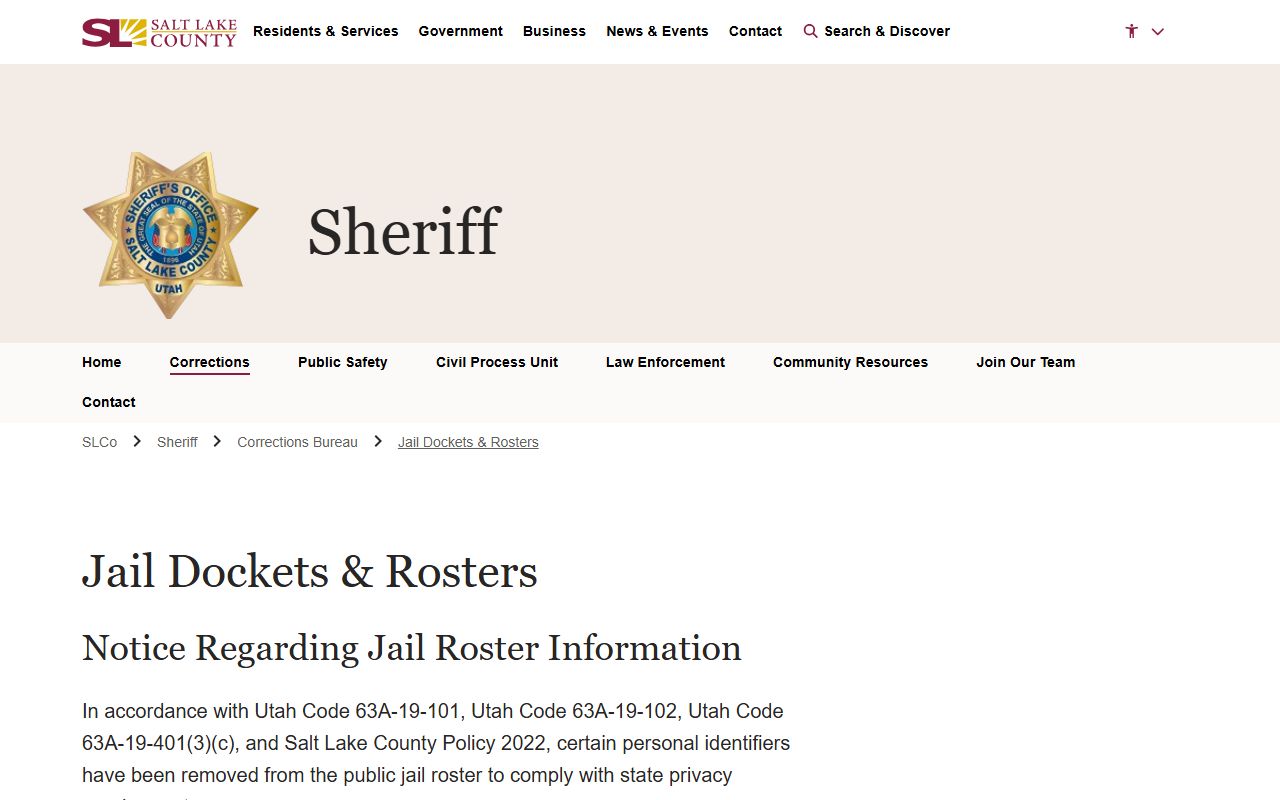
That county roster matters because many Cottonwood Heights Police Blotter searches only become clear after the local report is paired with the later jail record.
Cottonwood Heights Police Blotter and GRAMA
Utah GRAMA is the legal frame behind Cottonwood Heights police records. The city records page says records are requested through GRAMA, which means the file is reviewed before release and may be classified as public, private, protected, or controlled depending on what it contains. That is why a Cottonwood Heights Police Blotter request can return a record in full, a record with redactions, or a limited response while the city applies the law to the specific file.
The practical effect of GRAMA is the same here as it is elsewhere in Utah. The city needs a request that identifies the record clearly enough to find and review it. The more exact the request, the easier it is for the records specialist to locate the report and decide what can be released. A date, location, and report number help. A broad request for all police contact tied to a name is usually slower and harder to sort.
If a dispute remains after the city responds, statewide resources help explain the next step. The Utah State Records Committee is the appeal path under GRAMA, and the Utah Department of Public Safety public records portal is a useful comparison point for how Utah agencies structure formal public-records access. Those state tools do not replace the city's own records page. They explain the larger system the city is already operating within.
The Utah GRAMA statutes are the clearest statewide source for why a Cottonwood Heights police file may be released, redacted, delayed, or withheld depending on the classification review.
Cottonwood Heights Police Blotter Resources
The best Cottonwood Heights Police Blotter search uses the city's police page and police records page together. The police page gives the dispatch and local office context. The records page gives the actual GRAMA methods and records address. That combination is better than relying on county tools alone because it keeps the request attached to the office that created the local report.
County and state tools matter after that. The Salt Lake County public safety contact page helps confirm local and dispatch numbers across the county. The Utah courts records page is the right follow-up when the city event becomes a filed case. The Utah State Archives criminal records guide is useful when the issue is older and the active city records page is no longer the only source.
The practical order is simple. Start with Cottonwood Heights for the police report. Move to Salt Lake County for jail records. Use the court and state tools only when the record clearly moved beyond the city records stage.
Salt Lake County and City Links
Cottonwood Heights is in Salt Lake County, so the county page is the next step when the police blotter search turns into booking or court research. Nearby city pages help when the event crossed a city line or when another county agency handled part of the record.
Nearby Utah Cities
Nearby city pages help when a Cottonwood Heights police blotter search overlaps with another Salt Lake Valley department or when the incident started just outside the city boundary.