
Search Murray Police Blotter
Murray Police Blotter records are handled through the city police department, but the city also makes a clear distinction between police requests and general city records. That is important because a Murray police report, a traffic crash file, and a city recorder request do not use the same path. If you need a police record, start with the police department. If the case moves into Salt Lake County custody or court, the county and court pages become the next step. The city gives enough direction to keep the search moving without guessing which office owns the file.
Murray Quick Facts
Murray Police Blotter Basics
Murray Police Blotter searches begin with the police department's reporting and forms pages. The city says police records requests are separate from the city recorder's GRAMA form, and that separation matters a lot. If you use the wrong form, the request can be delayed or returned. The official police page at Murray reporting and forms gives the police-side forms and says the GRAMA records request for police reports should be directed to the department. It also says police records requests can take up to ten business days.
The city also publishes an online GRAMA form for city records, but that form is not for police, accident, or crime reports. The city is explicit about that. If your request is about a police report, the recorder does not have access to it. That detail is one of the most useful things on the Murray page because it prevents the most common mistake. A Murray Police Blotter search works best when it starts with the police department and not with the city recorder.
The county roster at Salt Lake County Jail Dockets and Rosters is the next stop when a Murray arrest moves into county custody.
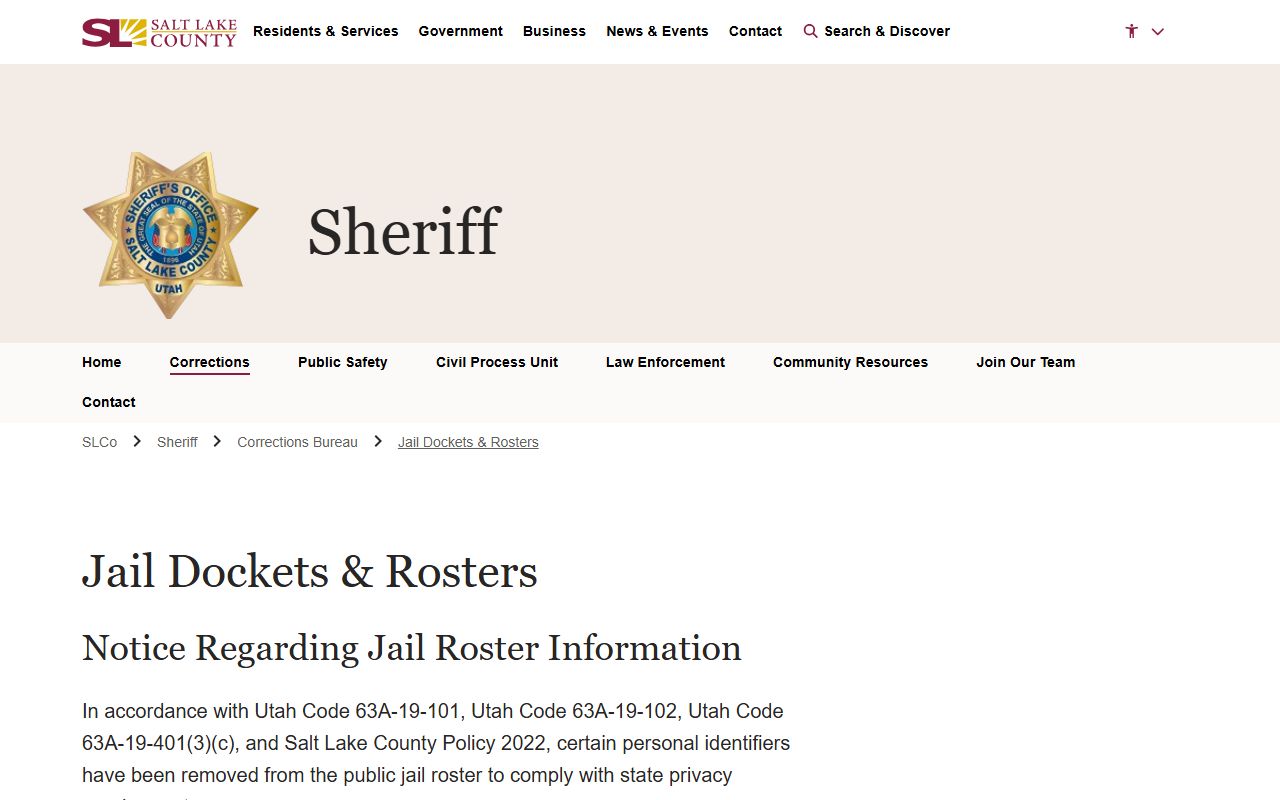
The county roster is the natural next stop when a Murray arrest becomes a custody record after the city report is filed.
The city also lets requesters use policeadmin@murray.utah.gov or the department phone line for additional information. That is useful when you need a report copy, a delivery method, or a quick check before filing. Because the city separates police records from city recorder records, the police contact line is the one that matters for an actual Murray Police Blotter request.
Murray Police Blotter Requests
Murray's request process is more detailed than a generic city form. The police page says requests for police, accident, or crime reports should be directed to the police department, while the online GRAMA request form is for city records that are not police related. The online form itself warns not to use it for police, accident, or criminal investigation records. That is a strong local signal that the city keeps the two tracks separate and expects the requester to know the difference.
The city's online GRAMA form at Murray online GRAMA request form is therefore best used only for non-police city records. For police material, the city says to email policeadmin@murray.utah.gov or call 801-264-2673. The page also says some cases require ID and that the request may need to be hand-delivered or submitted with a waiver. That kind of detail is exactly what a police blotter search needs because it tells you which office is actually able to release the file.
For a Murray request, be specific. Say whether you need a police report, an accident report, or a crime report. Include the date or date range if you know it, and be ready to provide ID if the department asks. The city says the request may take up to ten business days. That is standard for GRAMA and it is still a useful benchmark when you are waiting for a response.
The GRAMA statutes page at Utah GRAMA statutes is the legal frame that controls how Murray decides what to release.
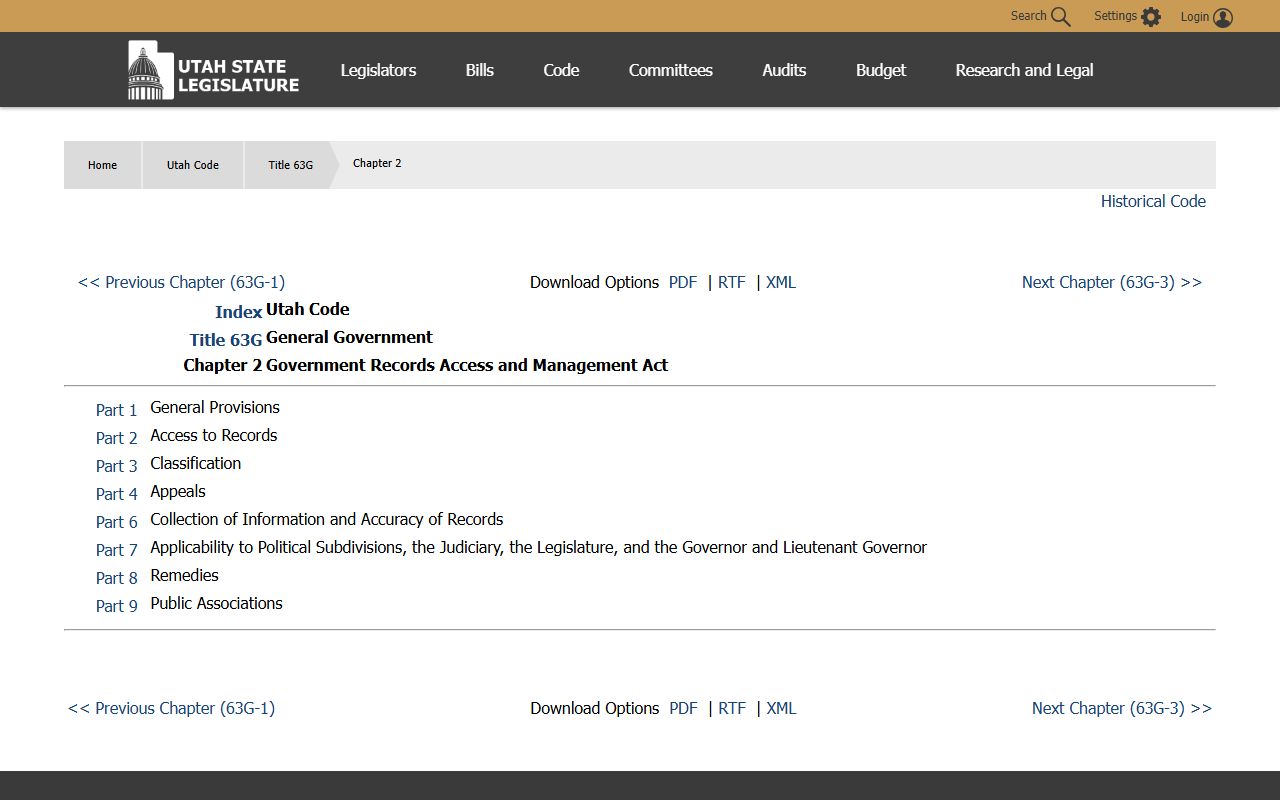
The GRAMA image fits Murray because the city draws a bright line between recorder requests and police requests under the same state law.
Salt Lake County Police Blotter Records
When a Murray arrest becomes a booking, Salt Lake County records become part of the trail. The county sheriff's office maintains jail rosters and booking information, and the roster is often the fastest way to confirm whether a person is still in custody. That matters because the city report and the county booking record are not the same file. The city tells you what the officer wrote. The county tells you where the person was taken.
The county roster at Salt Lake County Jail Dockets and Rosters is the natural follow-up for a Murray police search. The official county and court sources also remind readers that juvenile records and protected material can still be withheld. That helps when you are trying to figure out why the city or county record may look incomplete.
This image from Salt Lake County Jail Dockets and Rosters shows the custody page that often follows a Murray booking.
Use the roster when the question shifts from what the police wrote to where the person is now being held.
The county also uses the sheriff, the jail, and the court as separate parts of the record path. That means a Murray search can move quickly from the city department to the county roster and then to a court file if charges are filed. That three-step route is the cleanest way to keep the search grounded in real offices rather than third-party summaries.
Murray Police Blotter and GRAMA
GRAMA controls how Murray releases police records. Under Utah Code Title 63G Chapter 2, public records are presumed open, but the city can withhold or redact material that is private, protected, or controlled. That means a Murray Police Blotter request can be valid and still come back partially redacted. The city page is clear that the police records process is separate from the city recorder, which helps avoid the common mistake of sending a police request to the wrong office.
If a request is denied or partly withheld, the state records committee is the usual appeal path under Utah records law. The Utah State Records Committee is the statewide place to go when the city says no and the requester wants review. For state criminal history, Utah BCI criminal records is the right fallback if the Murray search becomes broader than one incident report. Those state tools matter because they help finish the trail when the city record is only the first step.
In Murray, the request should stay specific. The city asks for a detailed description of the records sought and says date ranges should be included when applicable. That is a good rule to follow even before the city asks for it. A narrow request saves time and makes it easier to tell whether the report is ready, delayed, or excluded because it belongs in a different office.
Note: A Murray police blotter record may be public while the city recorder's city-record form still has no access to it, because those are separate request paths.
Murray Court Records
Once a Murray incident becomes a filed case, the Utah courts records system takes over. Court records show what happened after the police report and the county booking. That includes filing dates, hearings, plea entries, and final outcomes. If you are trying to understand how a Murray Police Blotter event ended, the court file is where the answer usually lives. It is also the best place to check whether the case was dismissed, set for hearing, or resolved through a plea.
The statewide court records page at Utah courts records is the right place to continue the search after the city and county pages. If the matter is old, the Utah State Archives criminal guide can also help with historical records. That is useful when a Murray search turns into a broader public-record search rather than a current incident lookup. The city, county, and court pieces do different jobs, and the search gets easier when you treat them that way.
The court side also matters when the request is for a crime report or police report that is still connected to an active case. The city may tell you to use its police contact instead of the recorder, and the court may still be the place where the final public version becomes clearer. That is the normal path for a Murray record that has already moved past the initial report stage.
Request Details
Murray's police records process works best when the request is specific and sent to the right office. The city says to use the police department for police, accident, and crime reports and the city recorder for non-police records. That means the request should say what kind of record it is before it asks for anything else. If you know the incident date or the case number, include it.
- Full name of the person involved
- Incident date or date range
- Report number or case number if known
- Contact information for the response
The city also says requests may require ID, may need to be hand delivered, and can be delivered by email, fax, or pickup depending on the record type. That flexibility helps, but only if the request goes to the correct office. A Murray Police Blotter search is faster when the police department receives the police request and the recorder only handles city records that are not police related.
Salt Lake County Police Blotter Link
Murray sits in Salt Lake County, so a city report can quickly connect to a county booking or county court file. Use the county page when the custody side matters.
Nearby Cities
Murray shares record traffic with nearby Salt Lake County cities, so a report can move across a city boundary before it reaches the county jail or court.