
Millard County Police Blotter Search
Millard County Police Blotter records are the practical starting point when you need a booking lead, a jail check, or a court file in central Utah. Fillmore and Delta each matter here because the county sheriff, the jail, and the courts are spread across a rural area that covers several towns and a lot of open ground. That means the right office depends on what you already know. Start with the sheriff when you need custody or booking information. Move to the court when the case has been filed. Use GRAMA when the request needs a formal written path.
Millard County Quick Facts
Millard County Police Blotter Basics
Millard County keeps police blotter work anchored in the sheriff's office. The county research says the office is located in Fillmore and serves a long list of towns including Fillmore, Delta, Hinckley, Holden, Kanosh, Leamington, Lynndyl, Meadow, Oasis, Oak City, and Scipio. That matters because a search may begin in one town and end in another office. The sheriff also handles jail operations, civil process, and records requests, so the office can answer more than one question if you call the right number the first time.
The county jail is in Fillmore, and inmate information is available through the sheriff's office. That gives you a live custody route before you ask for a formal report. For a Millard County Police Blotter search, that live check is often the fastest way to confirm whether a person is still in county custody or has already moved to court. Rural counties can change fast, but they can also be hard to track if you start with the wrong office. The sheriff keeps the booking side. The court keeps the case side. That split is the key to the search.
The sheriff's office also handles concealed permit applications and fingerprinting. Those services are not the same as a police blotter, but they show that the office is used to handling public requests and identity-sensitive files. If you need records by mail, in person, or by email, the sheriff is the place to start. The county's GRAMA process runs through that same office, so one request can get you to the right point if the record is public and ready for release.
This image from Utah BCI criminal records points to the statewide path that often supports a Millard County Police Blotter search when the county file is not enough.
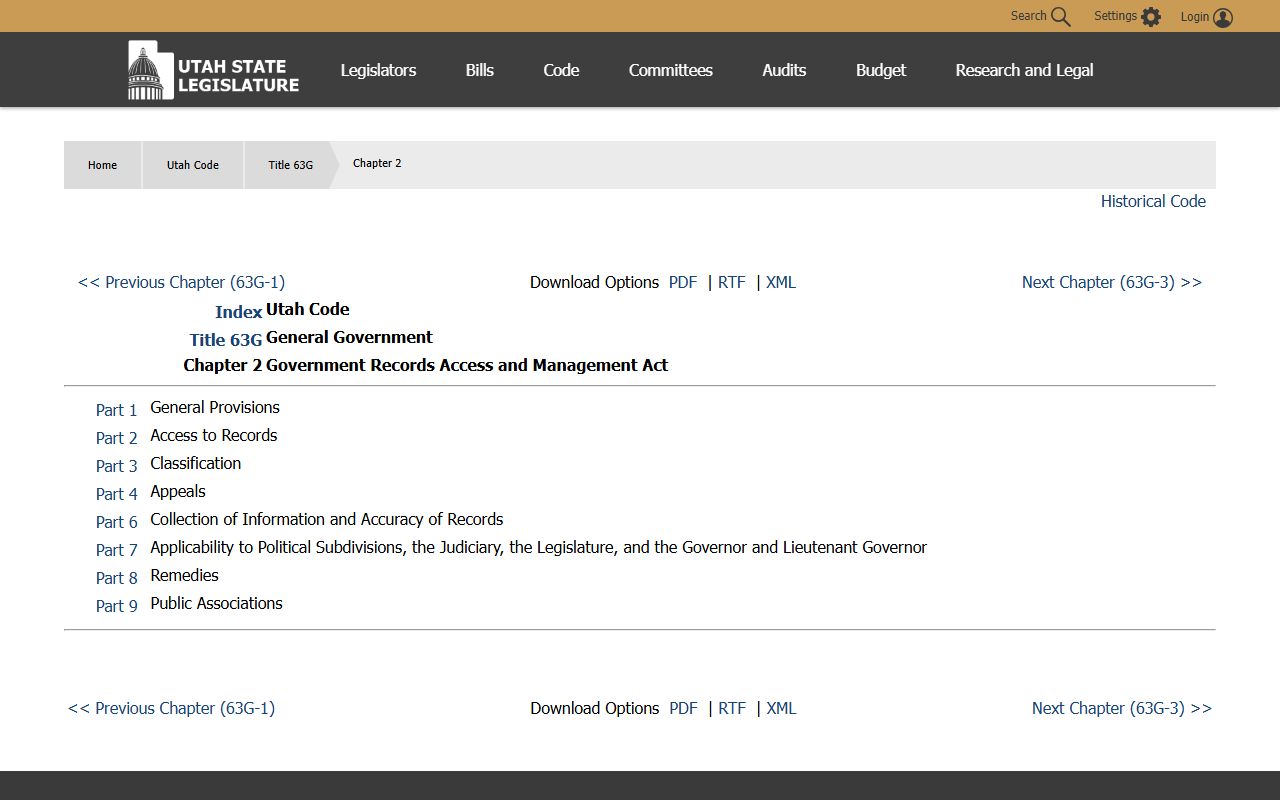
The GRAMA source is useful here because Millard County requests still follow the same Utah access rules even when the local office is small.
Millard County Police Blotter Search
The sheriff's office is the best first stop for Millard County police blotter searches because it manages the jail and the public request path. The research says standard GRAMA requests are accepted in person, by mail, or by email, with forms available at the office. That is helpful in a county where some searches are easy and some need a little more work. If you already know the town, the approximate date, or the person's name, the sheriff can usually point you toward the right records step faster than a broad statewide search can.
Millard County also has a Fourth District Court in Fillmore and justice courts in Fillmore and Delta. That means a police blotter search can move from a county booking to a district court case or a local misdemeanor file. When that happens, the county sheriff has only part of the record trail. You then need the court clerk or the Utah courts record system to see the legal side. That is normal in Utah. The arrest and the case are related, but they do not live in the same file.
If the file is older or the request is larger, the county may need more time. The research says the county uses a standard 10 business day GRAMA window, with expedited handling available for emergencies and extra time possible for complex requests. That is useful because it tells you to expect a response, not necessarily an instant copy. It also means a slow answer can still be a lawful answer if the county is reviewing the file correctly.
Millard County records requests start with the sheriff at millardcounty.org/sheriff, which is the main county source for records, jail, and public request procedures.
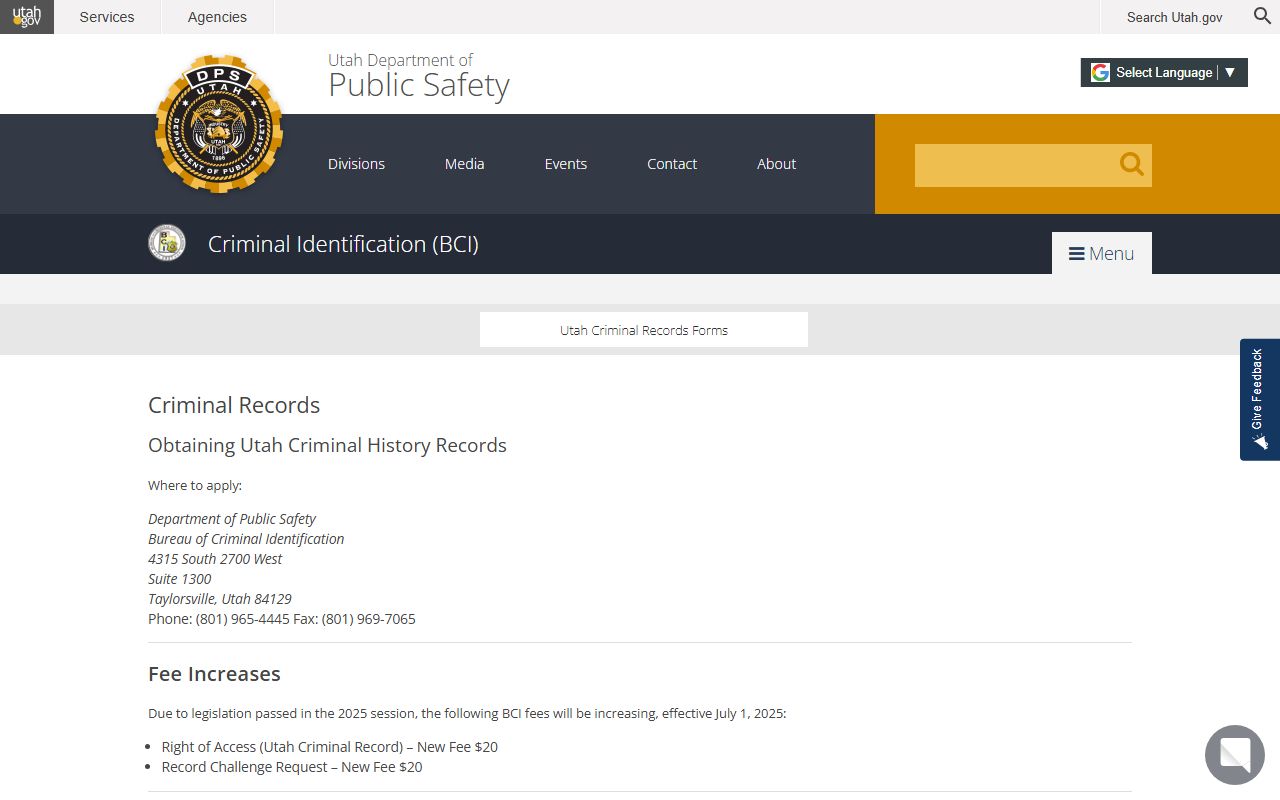
The state BCI page is a useful fallback when the county booking turns into a broader criminal history question.
Millard County Police Blotter and Court Records
A Millard County Police Blotter entry tells you that an arrest or incident was logged. The court record tells you what happened next. The research says felony and serious misdemeanor prosecutions go to the Fourth District Court in Fillmore, while local misdemeanors and infractions can go through justice courts in Fillmore and Delta. That is a practical distinction. If you only want the booking summary, the sheriff can help. If you need a filed charge, hearing date, or disposition, the court is the better source.
For a county this spread out, court location matters. Fillmore and Delta each serve different parts of the county's public record trail. If you are not sure where the case was filed, use the county seat first and then ask whether the matter is district or justice court level. That small step can save a lot of time. Utah court records also become useful when the matter is older or when the county file has already moved past the live booking stage.
In a Millard County search, the cleanest path is usually sheriff first, court second, and state records third. That keeps the search local while still giving you a statewide backup if the case is old or the county office tells you it has been forwarded to another system. The search does not have to be fast to be right. It just has to move in the right order.
Millard County Police Blotter Requests
Millard County follows GRAMA like every other Utah county, so the request should be specific and tied to the record type you want. Ask for the report, the booking, the case number, or the date range. If you know the office, name it. The sheriff handles records requests and ID pickup, so it is best to keep your request pointed at that office rather than making the county guess what you want. That is especially true in a smaller county where a single office may wear several hats.
Under Utah records rules, the county can withhold protected parts of a file, especially if the record is tied to an ongoing investigation or sensitive personal data. That does not mean the record is gone. It means the county has to review what can be released. Millard County's research says civil process, search and rescue, and emergency dispatch are also part of the sheriff's work, which helps explain why the office may need a little more time when the request is not simple. The county's response window still applies, but the file may need more review than a quick roster lookup.
Note: A Millard County police blotter result may be public in summary form while the full report still needs GRAMA review or redaction.
Millard County State Records
If the county file is not enough, the Utah courts and state record systems are the next layer. The state courts records system can help with filed cases, while Utah BCI can help with criminal history questions that go beyond a local booking. The county research does not give a single online roster link, so the county sheriff and state resources work together here. That is normal in rural Utah, where local office hours, office location, and case type often decide how fast a record can be found.
State tools are especially helpful if the person you are looking for has already moved through court or if a county booking is no longer visible on the first search. A Millard County Police Blotter search can still be successful in that situation. It just means you may finish at the court clerk or BCI instead of at the sheriff counter. That is why the county page should always point to the state side when local material is thin.
Nearby County Records
Millard County sits between other parts of western Utah, so searches can spill into neighboring counties when someone was transported or booked elsewhere. If the record you want does not show up right away, a nearby county page can still give you the next clue.