
Cache County Police Blotter Guide
Cache County Police Blotter information is one of the fastest ways to check a recent booking, an incident note, or the first stage of a criminal case in northern Utah. Logan is the county seat, and the county has a strong local records path through the sheriff's office, the clerk, and the First District Court. That helps when you need a lead, not just a name. Use the blotter for the quick view, then move to the jail or court record when you need the next layer. GRAMA still governs release, so public access is broad but not unlimited.
Cache County Quick Facts
Cache County Police Blotter Basics
Cache County has one of the clearer local search paths in the state. The sheriff's office keeps jail booking information, recent arrest tools, and an incidents blotter. The county's own research notes the "Who's Been Booked" database, which covers people booked into the jail within the past 30 days. That is a practical place to start.
The sheriff's office also processes GRAMA requests for law enforcement records. Public access terminals are available at the county clerk's office, and the Logan City Library gives free internet access for online searching. Those details matter because not every search has to begin with a paper form. Sometimes the right source is just the right screen.
The sheriff records office is listed at 1225 West Valley View Drive, Suite 100, Logan, UT 84321, with public counter hours on weekdays. The main sheriff phone is (435) 755-1000, and the county clerk is at 179 North Main Street, Suite 102. That means the county has both a records desk and a court access point close to the same downtown area.
The official Cache County Sheriff's Office page is the best county-level overview of the blotter, the booking database, and the incidents log.
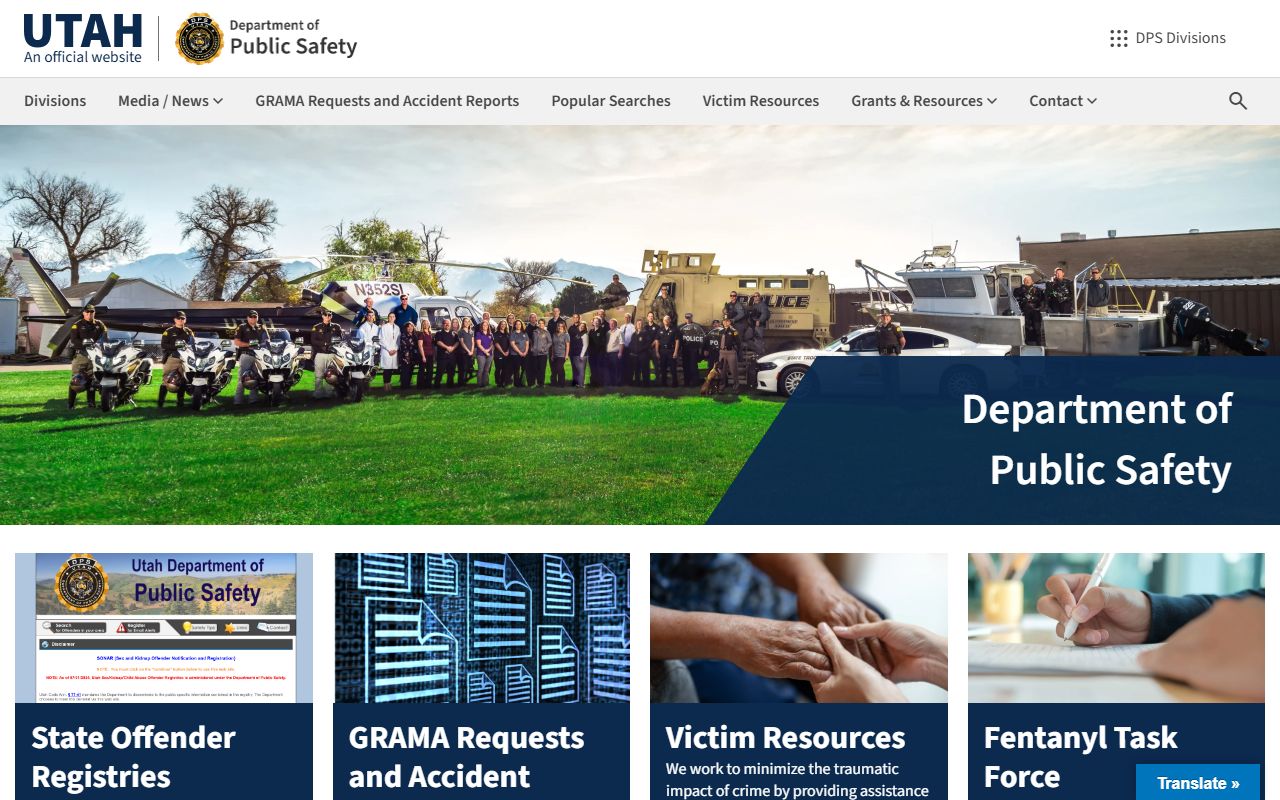
That official county and state combination is more useful than a third-party summary when you need the actual search flow and the public-record path.
Searching Cache County Police Blotter
Cache County police blotter searches can move fast because the county gives the public several ways to look. The "Who's Been Booked" tool lets you search the jail's recent booking list by name. The incidents blotter gives date, time, location, case number, and a short description. Together, those tools answer different questions.
That split matters. A booking list shows custody. An incidents blotter shows what law enforcement wrote down at the start. Neither one is the full court file. If you need the criminal case, Utah courts carry the next layer. If you need a historical record, the state archives or BCI may be the better route.
Cache County public records are defined broadly under GRAMA, and Utah Code § 63G-2-201(1) says the public has the right to inspect records free of charge. The county can still charge for copies. It can also withhold protected material. That means you can often search for free, but copies and full files can still involve steps and time.
The official county pages explain how Cache County sorts sheriff records, court records, and other public files without sending the search through a third-party records site first.
Cache County Police Blotter and Court Records
Once a booking moves into court, the First District Court becomes important. The court serves Cache County and handles felony criminal cases, civil matters, family law, and probate proceedings. For arrest-related work, the court record is where you look for filing dates, charges, dispositions, and sentencing information. That is the record that tells you how the county handled the case.
The court is at 135 N 100 W in Logan. The clerk can process requests for copies of court documents, certified dispositions, and case information. If you need to search online, the Utah courts Xchange system is the statewide tool tied to court proceedings after arrest. It is a better fit than a jail summary when you need legal status.
Cache County's own research also points to juvenile restrictions. Those records are not generally open through public online portals, and access can be limited to the juvenile, parents, or an authorized representative. That distinction is important if the blotter search you found does not line up with the person you are trying to track.
For the court side, the First District Court at utcourts.gov/courts/dc/first is the official local route for Cache County case files.
Cache County Public Records
Cache County follows GRAMA closely. The sheriff's office records division handles law-enforcement requests, and the county gives the public a clear path for written, mailed, emailed, or faxed requests. Under Utah Code § 63G-2-204, the agency must respond within 10 business days, or within 5 business days when the request qualifies as urgent. That helps keep the search moving.
The county research gives the request fee structure too. A search fee of $10 applies per request. Copies are $0.25 per page, with certified copies costing an additional $2.00 per document. That is useful because many people only need a page or two, not a whole file. The sheriff also requires government photo ID for in-person requests, which keeps the process clear and tied to the correct person.
For broader criminal history, use the Utah BCI criminal records page at bci.utah.gov/criminal-records. That state source is different from a Cache County booking entry, and it is the right place when you need the official criminal history path rather than the local blotter summary.
Note: A Cache County police blotter search may show a name fast, but the county still controls release, redaction, and copy fees under GRAMA.
Cache County Police Blotter Records
Cache County also points users toward the Utah courts Xchange system for court records tied to arrests, and the county research notes that juvenile records are generally restricted. If a record you expected is missing, that may be the reason. The county clerk's public terminals and the Logan City Library can help you search if you do not have steady internet access.
The county keeps this simple for the public. Use the jail tools first. Move to court records if the case is active. Then use GRAMA if you need the file that is not already online. That sequence fits the way Cache County stores the information and the way Utah law releases it.
For older or later-stage matters, Utah expungement law under Utah Code Title 77 can change what remains visible. That is not a blotter rule, but it affects later searches and court results.
Cache County Police Blotter Copies
If you need the file itself, use the county's request channels. You can submit the GRAMA form in person, by mail, by email, or by fax. The county records details are specific, so use them. Put the full name, date of birth if known, approximate arrest date, and case number if known on the form. The sheriff's office is at 1225 West Valley View Drive, Suite 100, Logan, UT 84321, and the email listed in the county procedures is records@cachecounty.org.
The county also notes that arrest reports are retained permanently by the arresting agency, while booking information is kept for years after release. That means a record may still exist even if the public online view changes. If you are asking about an older matter, the clerk and the sheriff may both have a piece of the answer.
The best approach is simple. Search the blotter first. Check the jail booking list next. Then move to the court record or the GRAMA request if you still need more. That sequence saves time and keeps the result tied to the right office.
Cache County also points users toward the Utah courts Xchange system at utcourts.gov/records for court records tied to arrests, and the county research notes that juvenile records are generally restricted. If a record you expected is missing, that may be the reason. The county clerk's public terminals and the Logan City Library can help you search if you do not have steady internet access.
A full arrest record can include the person's name, date of birth, physical description, address, tattoos or scars, fingerprints, a booking photo, arrest time, arrest location, arresting agency, charges, warrant notes, bond details, court information, and custody status. That is why the jail summary and the court file can look different.
For older or later-stage matters, Utah expungement law under Utah Code Title 77 can change what remains visible. That is not a blotter rule, but it affects later searches and court results. Booking photos and other arrest details may also be treated differently after a case finishes, so it helps to verify the current status before you rely on an old printout.
Note: Cache County police blotter records, county jail data, and court records are related, but each office controls a different part of the public file.
Nearby County Records
Cache County sits near a few counties that also keep active jail and court records. If a search crosses a line or a case started in another county, checking a nearby page can keep you from missing the record entirely.